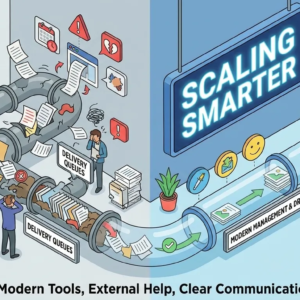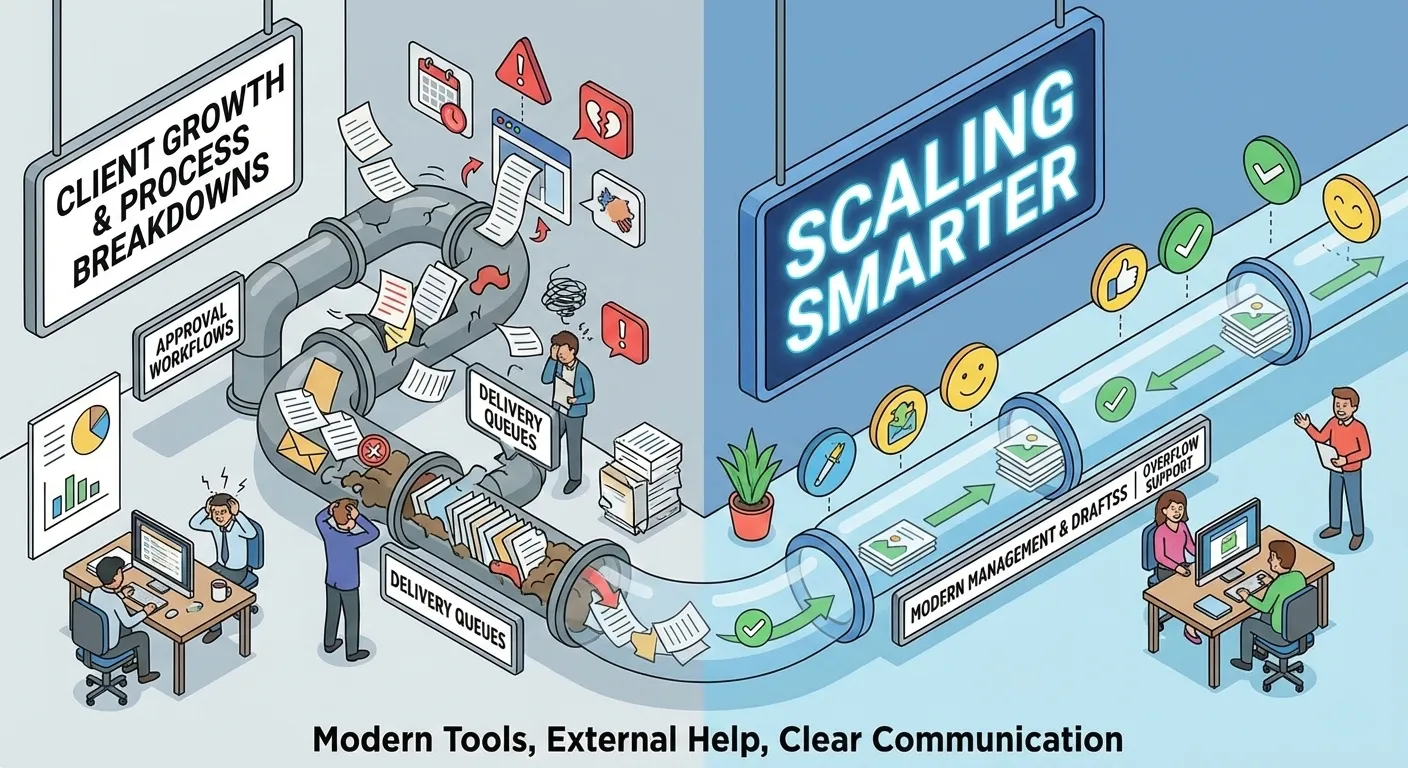

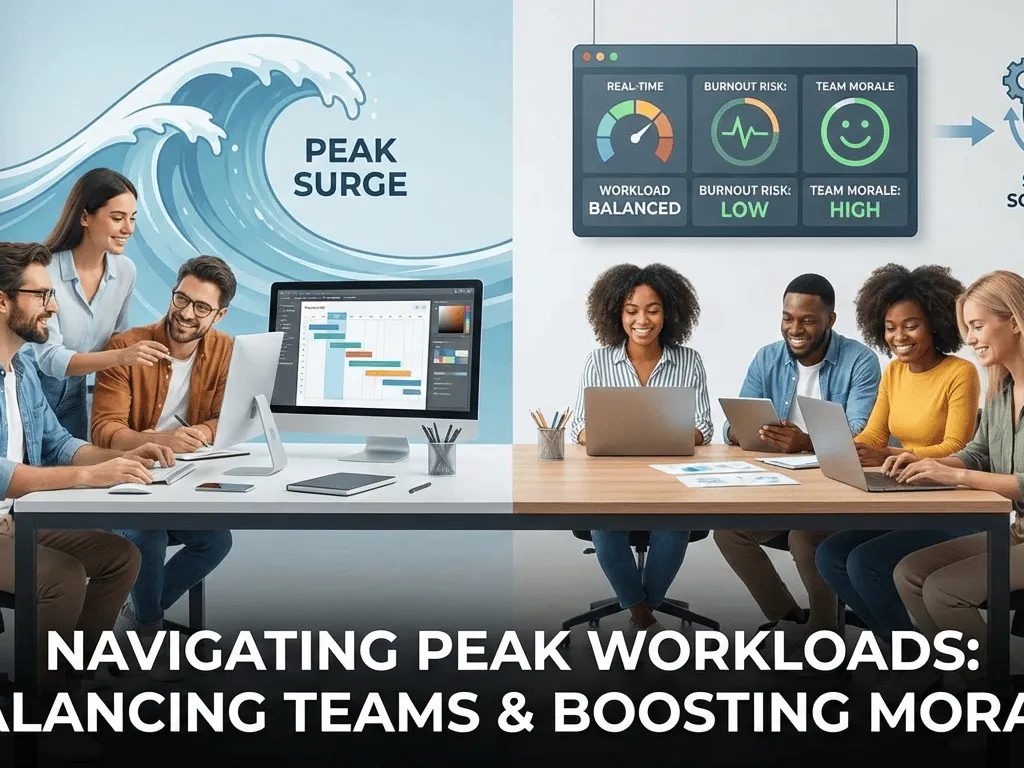
Agencies face intense workload spikes during seasonal events and surges, which can quickly lead to staff burnout. To keep teams energized and productive, many agencies balance full-time employees with contingent labor. This allows core team members to focus on crucial tasks while temporary workers handle peak demands. Smarter scheduling really works too; utilizing predictive tools helps create fair shifts, minimizing unexpected overtime stresses.
Plus, real-time monitoring lets management address challenges as they arise. Cultivating a supportive culture by acknowledging hard work boosts morale tremendously, while assessing workflows helps eliminate inefficiencies. With these strategies in place, agencies can navigate busy times effectively without overwhelming their teams.
Table of Contents
- Understanding Seasonal Spikes and Client Surges
- Balancing Full-Time Staff With Contingent Labor
- Smarter Scheduling to Prevent Burnout
- Utilizing Staffing Partners for Quick Support
- Real-Time Monitoring and Feedback Strategies
- Creating a Culture of Support and Recognition
- Designing Workflows That Mitigate Stress
- Using Seasonal Peaks as Diagnostic Opportunities
- Redirecting Pressure Through White-Label Execution Support
- Frequently Asked Questions
Understanding Seasonal Spikes and Client Surges
Agencies often encounter significant workload increases during key seasonal events such as holidays, product launches, and promotional campaigns. For instance, retail agencies may see surges around Black Friday, while marketing firms could face peaks during product unveilings. By analyzing past client behaviors and trends, agencies can predict future spikes and prepare accordingly. Utilizing data analytics helps in forecasting demand trends, allowing teams to adjust their strategies effectively.
Engaging with clients to understand their peak needs is crucial. Regular communication can provide insights into client expectations and help agencies allocate resources flexibly. This approach not only accommodates expected surges but also prepares teams for unexpected demands that could arise. Establishing real-time communication channels ensures that everyone is on the same page, allowing for quick adjustments when workload increases.
Moreover, creating robust contingency plans for unforeseen surges can make all the difference. By having a strategy in place, agencies can respond to sudden demands without overwhelming their teams. Training employees to adapt quickly to changing workloads is equally important. This adaptability can be achieved through cross-training and encouraging a culture of flexibility, enabling staff to cover various roles as needed. By monitoring industry trends, agencies can further anticipate shifts in client behavior and prepare their teams accordingly, ensuring they are never caught off guard.
- Identify key seasonal events that impact workload.
- Analyze past client surges to predict future spikes.
- Implement a flexible resource allocation strategy.
- Establish communication channels for real-time updates.
- Develop contingency plans for unexpected surges.
- Utilize data analytics to forecast demand trends.
- Engage with clients to understand their peak needs.
- Train teams to adapt quickly to changing workloads.
- Monitor industry trends that may influence client behavior.
- Create a feedback loop for continuous improvement.
Balancing Full-Time Staff With Contingent Labor
During peak times, finding the right balance between full-time staff and contingent labor can be a game changer for agencies. By evaluating the specific roles needed during high-demand periods, agencies can identify which positions can be filled by temporary workers, allowing full-time employees to focus on their core responsibilities. Creating a database of reliable contingent workers ensures quick access to talent when needed. Building relationships with staffing agencies enables rapid deployment of qualified individuals, reducing the pressure on existing teams.
Setting clear expectations for training temporary staff is crucial; it helps them integrate smoothly and maintain service quality. Monitoring the performance of contingent labor closely helps ensure that they meet the agency’s standards. Encouraging full-time staff to mentor these temporary workers can foster a sense of teamwork and promote knowledge sharing. Using contingent workers for non-core tasks allows permanent employees to dedicate their time to critical projects.
Regularly reviewing workload distribution helps maintain balance, ensuring that no one feels overwhelmed. Lastly, being aware of the legal implications of using contingent labor is essential to avoid potential pitfalls and ensure compliance.
| Aspect | Details |
|---|---|
| Evaluate the specific roles needed during peak times | Identify which roles are critical and must be filled by full-time staff versus those that can be temporarily outsourced. |
| Create a database of reliable contingent workers | Compile a list of dependable contract workers who can step in as needed. |
| Foster relationships with staffing agencies for quick access | Build strong partnerships with staffing firms to expedite hiring processes during surges. |
| Set clear expectations for temporary staff training | Ensure all contingent workers understand their roles and responsibilities from day one. |
| Monitor performance of contingent labor closely | Keep track of how well temporary staff are performing compared to full-time employees. |
| Develop a seamless onboarding process for quick integration | Design an efficient onboarding experience that allows new hires to start being productive rapidly. |
| Encourage full-time staff to mentor temporary workers | Facilitate knowledge sharing and support to help integrate contingent workers into the team. |
| Utilize contingent workers for non-core tasks | Free up full-time staff to focus on key deliverables by delegating less critical tasks to temporary help. |
| Review workload distribution regularly for balance | Continuously assess how work is divided to ensure fairness and prevent overload. |
| Consider legal implications of using contingent labor | Stay informed on labor laws and regulations regarding the use of temporary employees. |
Smarter Scheduling to Prevent Burnout
Smarter scheduling is key to preventing burnout, especially during peak workloads. Agencies can implement automated scheduling tools that utilize historical data to predict staffing needs, ensuring that schedules are balanced and fair. By incorporating employee preferences into these schedules, agencies not only foster a sense of ownership among team members, but also promote a healthier work-life balance. Offering flexible hours allows staff to accommodate personal commitments, making them feel valued and reducing stress.
During busy periods, planning for overlap ensures that teams have adequate support, allowing for smooth operations without overwhelming individuals. Encouraging team collaboration for shift swaps can also help maintain morale, as employees can support each other in managing their schedules. Regularly reviewing and adjusting these schedules based on real-time feedback ensures that agencies can respond to changing demands and keep employee satisfaction high.
Furthermore, tracking overtime hours is crucial to identifying when team members may be at risk of burnout. Hosting training sessions on stress management and time optimization equips employees with tools to handle pressure effectively. All these strategies create a work environment where teams can thrive, even in challenging times.
Utilizing Staffing Partners for Quick Support
Engaging staffing partners is a game-changer for agencies facing peak workloads. First, identify key staffing partners with relevant industry experience, as this can ensure they understand the unique demands of your projects. Once you’ve selected your partners, develop a clear process for engagement, making it easy to reach out when needs arise. Negotiating contracts that allow for quick turnaround is essential; you want to ensure that help is just a call away when the pressure mounts.
Clear communication is vital: articulate your specific needs and expectations to avoid misunderstandings. Regularly evaluate the performance of your partners to ensure they meet your standards. Maintaining a list of preferred vendors helps streamline the process and saves time during busy periods.
Create a checklist to fast-track the onboarding of temporary staff, ensuring they are ready to hit the ground running. Implement a system for rapid feedback on the quality of staffing, which can help you make adjustments quickly. Collaborating with your partners for future planning is also beneficial, as it can prepare both teams for upcoming busy seasons. Lastly, understanding market rates ensures you remain cost-effective while securing the best talent for your agency.
Real-Time Monitoring and Feedback Strategies
Agencies can thrive during peak workload times by investing in technology that tracks employees’ workloads. Setting up dashboards for real-time performance metrics ensures that managers have a clear view of how each team member is coping. This visibility fosters open communication, allowing for immediate feedback when team members face challenges. Recognizing high performance not only boosts morale but also encourages others to excel.
Regular check-ins with team members help identify issues before they escalate, while using data to adjust staffing levels dynamically ensures no one is overwhelmed. Creating a culture where feedback is welcomed and acted upon is essential; training managers on effective feedback techniques can enhance this environment.
Additionally, utilizing surveys to gauge employee satisfaction provides insights into team well-being. Analyzing feedback trends can uncover areas needing improvement, enabling agencies to adapt and support their teams effectively.
Creating a Culture of Support and Recognition
Building a culture of support and recognition is essential for agencies, especially during peak workloads. Establishing recognition programs for exceptional work can motivate employees and boost morale. For example, implementing monthly awards for outstanding performance creates a sense of appreciation. Encouraging peer-to-peer recognition among staff fosters camaraderie, allowing colleagues to celebrate each other’s successes. Team-building activities can enhance connection and boost morale, making the workplace feel more like a community. Providing resources for mental health support is equally important; agencies can offer access to counseling services or wellness programs to help employees manage stress.
Open discussions about workload challenges should be normalized, allowing team members to voice concerns without fear of judgment. Creating an environment where asking for help is encouraged reduces the stigma around seeking support. Regular appreciation events, such as appreciation lunches or shout-outs in team meetings, can significantly boost confidence and remind everyone that their hard work is valued. Management should actively participate in recognition efforts, reinforcing the idea that leadership cares about employee well-being.
Furthermore, setting up mentorship programs can provide guidance and foster skill development, helping individuals grow within the agency. Gathering employee input on recognition methods ensures that programs resonate with the team, making them more effective. Together, these strategies create a supportive atmosphere that helps agencies navigate peak workloads without sacrificing team well-being.
Designing Workflows That Mitigate Stress
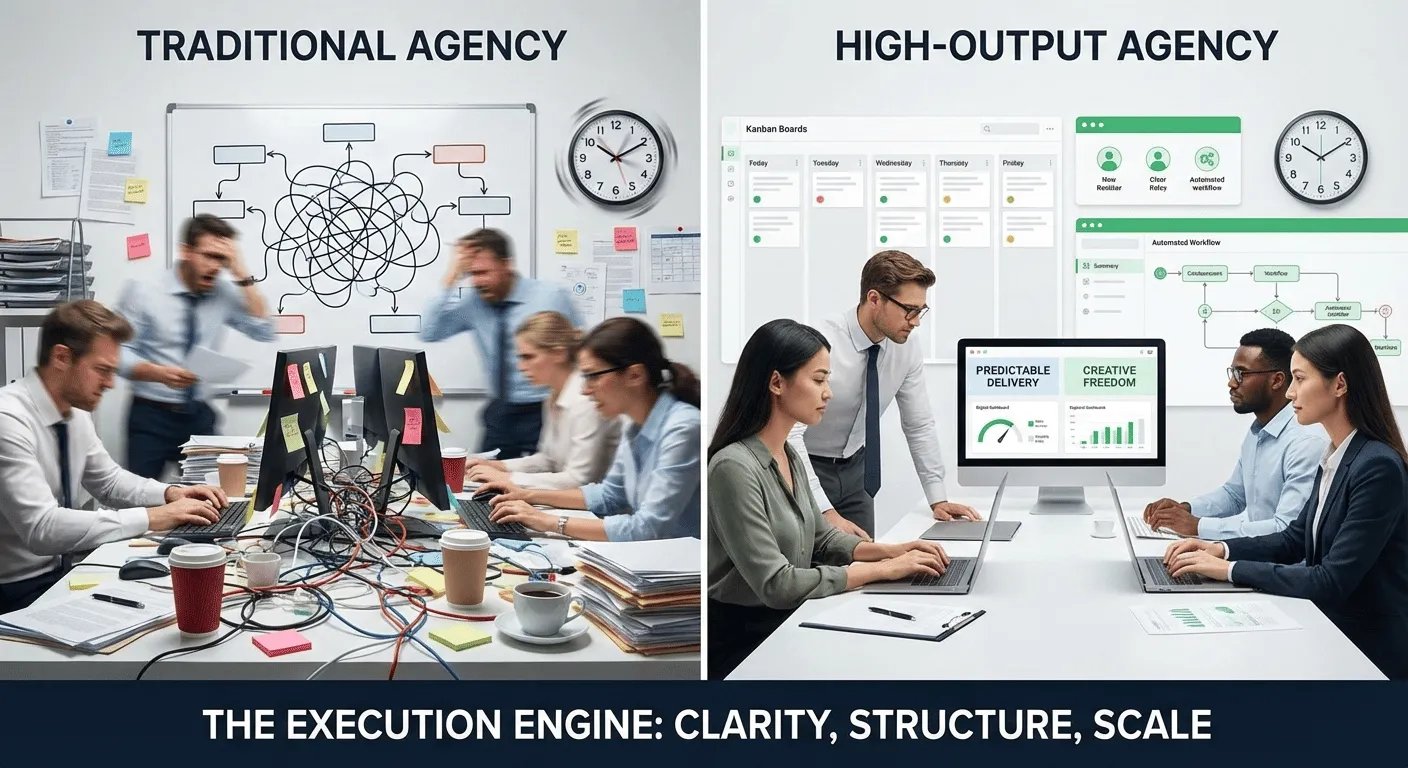
Designing effective workflows is crucial for keeping agency teams energized during peak workloads. First, agencies should map out their current workflows to pinpoint pain points. This analysis can highlight where bottlenecks occur and which manual tasks are draining resources. Incorporating automation is a game-changer, as it can significantly reduce repetitive tasks, allowing team members to focus on what truly matters: delivering exceptional service to clients. It’s also important to encourage team input on these workflows. When employees have a say in how their tasks are structured, they often feel more invested and less stressed.
Using project management tools can help clarify task assignments, ensuring everyone knows their responsibilities. Clear communication protocols are equally essential; they can prevent misunderstandings that lead to unnecessary stress. Regularly reviewing and updating workflows based on team feedback fosters a culture of continuous improvement, making it easier for teams to adapt to changing demands.
Training staff on effective time management techniques can empower them to manage their workloads better. Monitoring workloads regularly helps identify potential bottlenecks before they become overwhelming. Finally, utilizing metrics to measure workflow efficiency allows agencies to make informed decisions, ensuring that processes remain smooth and stress-free. By focusing on these strategies, agencies can create an environment where teams thrive, even during the busiest times.
Using Seasonal Peaks as Diagnostic Opportunities
Agencies can turn seasonal peaks into golden opportunities for growth and improvement. High-demand periods are not just challenges to overcome; they are vital times to analyze performance data and spot inefficiencies. By meticulously documenting lessons learned during these hectic times, agencies can create a roadmap for future success. Establishing a dedicated task force to tackle identified issues post-peak ensures that insights lead to actionable changes. Teams should be encouraged to share their ideas for improvement, fostering a culture of innovation.
Utilizing data-driven insights helps implement effective changes, while also allowing agencies to experiment with new processes or technologies during peak times. Brainstorming sessions can facilitate creative problem-solving, leading to innovative solutions that lighten the load in future seasons. Monitoring the impact of these changes in subsequent peaks is crucial for continuous refinement. Compiling case studies to share knowledge across teams not only enhances collective learning but also reinforces a collaborative atmosphere. Regularly revisiting and fine-tuning diagnostic strategies keeps agencies agile and ready to face the next surge with confidence.
Redirecting Pressure Through White-Label Execution Support
White-label execution support can be a game-changer for agencies facing peak workloads. By identifying tasks that can be outsourced, like graphic design, content creation, or data analysis, agencies can lighten the load on their teams. The first step is to research and select reliable white-label partners who can deliver high-quality work. Once partners are chosen, creating clear contracts that outline quality standards and timelines is essential. This ensures everyone is on the same page from the start.
Training internal teams on how to collaborate effectively with these partners is crucial. It helps maintain workflow continuity and fosters a strong working relationship. Establishing a feedback loop for continuous improvement allows agencies to refine processes and ensure that the work meets their standards. Monitoring the quality of work from external partners is equally important; consistent check-ins can catch issues before they escalate.
Maintaining clear communication channels is vital, especially when workloads are high. Regular updates and open lines for questions can prevent misunderstandings and keep projects on track. Evaluating the impact of white-label support on internal workloads helps agencies understand where they stand and how to adjust their strategies. Gathering employee feedback is also key; it provides insights into the effectiveness of outsourcing and can help refine future collaborations. Using performance data to revise strategies ensures that agencies stay agile and responsive to changing demands.
Frequently Asked Questions
What strategies do agencies use during busy times to keep projects on track?
Agencies often prioritize tasks, break projects into smaller pieces, and set clear deadlines. They may also use project management tools to stay organized and ensure everyone knows their responsibilities.
How can team members balance their workload without feeling overwhelmed?
Agencies encourage open communication, allowing team members to share their concerns. They often implement flexible schedules or team support to help balance workloads and prevent burnout.
What role does team collaboration play in managing peak workloads?
Team collaboration is crucial, as sharing ideas and resources can make tasks more manageable. Collaborating ensures that team members can rely on one another and help each other meet deadlines.
How can agencies maintain quality work during busy periods?
Agencies focus on clear guidelines and quality checks, even when workloads are high. They may assign specific quality control team members to ensure that standards are maintained throughout busy times.
What are some signs that a team is struggling with workload?
Signs include missed deadlines, decreased communication, lower morale, and an increase in mistakes. Agencies monitor these indicators closely to address issues before they escalate.
TL;DR Peak workloads do not break agencies. Poor capacity strategy does.
Seasonal surges, campaign launches, and client spikes are predictable, but burnout happens when agencies try to absorb temporary demand with fixed internal capacity. Overtime rises, quality drops, and teams exhaust themselves trying to maintain output.
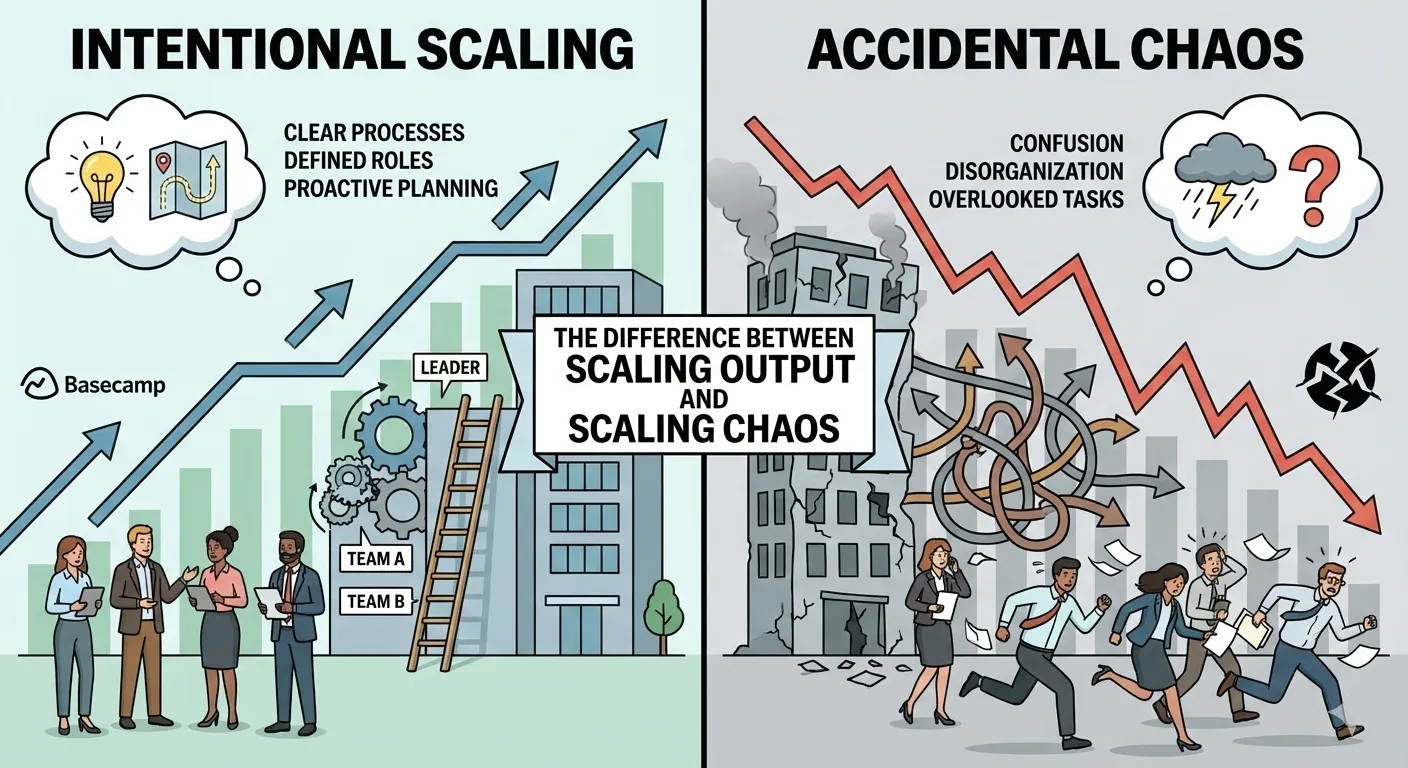
High-performing agencies treat peak periods as a capacity planning challenge, not a heroics test. They balance core staff with contingent talent, use smarter scheduling, monitor workload in real time, and design workflows that reduce friction instead of adding pressure.
A critical lever is redirecting overflow work through white-label execution support. This creates elastic production capacity, allowing agencies to handle demand spikes without overloading internal teams or permanently increasing payroll.
When capacity becomes flexible instead of fixed, busy seasons stop being burnout cycles and become manageable, repeatable operations.