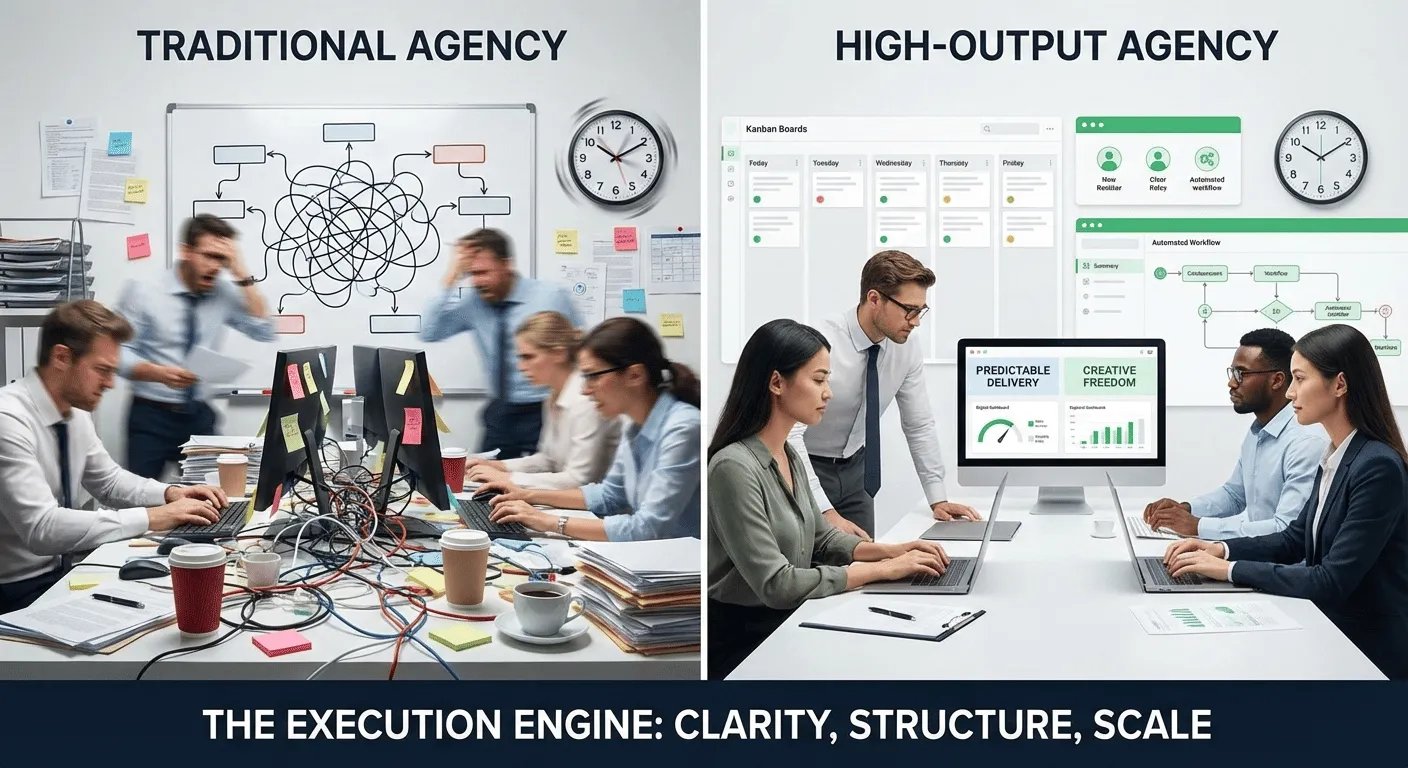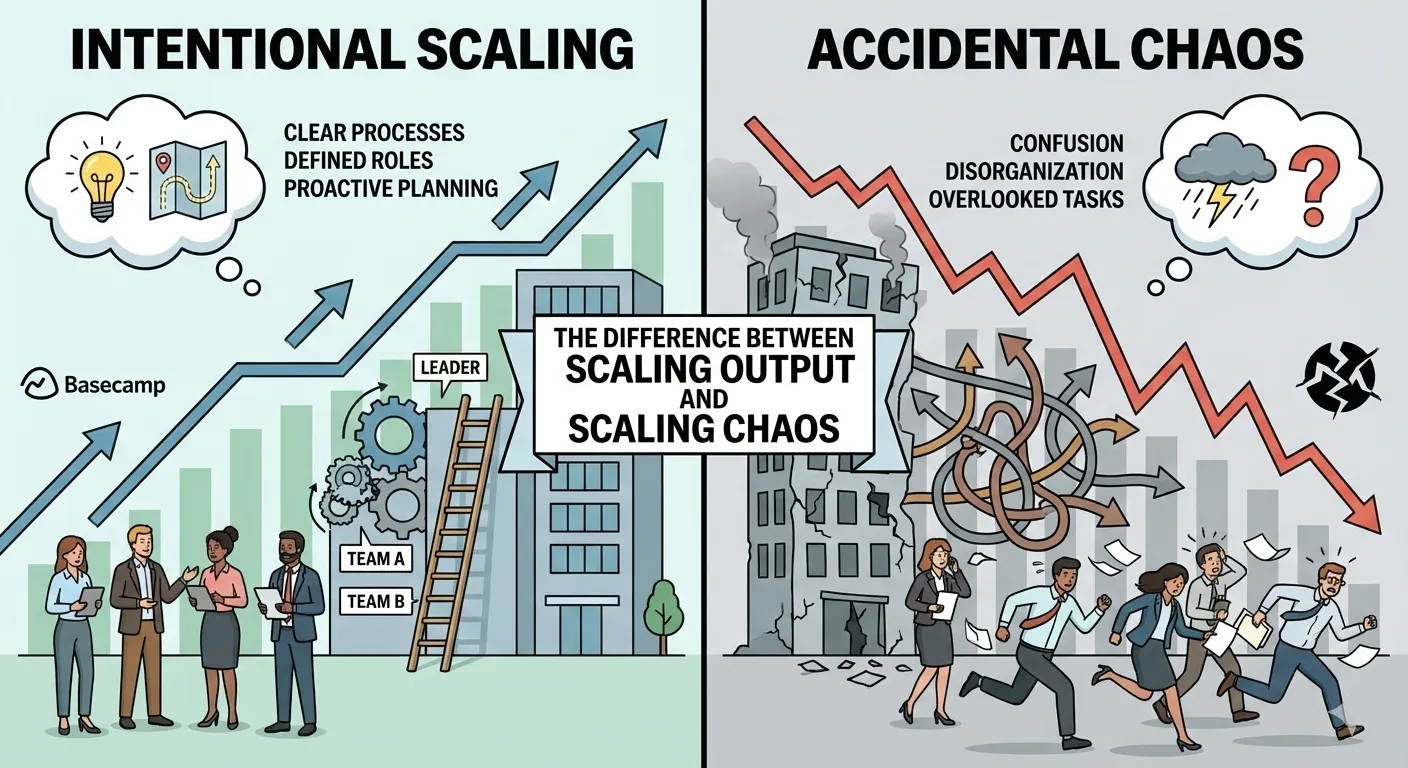

As agencies strive to scale their output effectively, adopting a DesignOps framework can be a game-changer. By focusing on organization and structure, DesignOps improves collaboration and prevents chaos in growing teams. This method helps create workload visibility, clearly defines roles, and standardizes handoffs between designers and developers. With tools like Jira or Asana to track tasks and regular meetings for updates, teams stay aligned and accountable. Additionally, setting realistic timelines based on past projects fosters predictable delivery while allowing designers to shine creatively. In essence, implementing DesignOps translates into enhanced efficiency and high-quality results that benefit both the agency’s clients and its team members.
Table of Contents
- Understanding the DesignOps Framework
- Benefits of Workload Visibility
- Establishing Clear Roles in Design
- Creating Effective Handoff Processes
- Ensuring Predictable Delivery in Design
- Addressing Common DesignOps Challenges
- Implementing DesignOps in Your Agency
- How Draftss Enhances DesignOps Execution
- Frequently Asked Questions
Understanding the DesignOps Framework

DesignOps is all about making design teams work better together, boosting collaboration and efficiency. By aligning design processes with business goals, it helps teams produce better results. As modern design projects grow more complex, having a DesignOps framework is essential. It also promotes the use of technology and tools to streamline workflows, making tasks easier and faster. One key advantage of DesignOps is breaking down silos within organizations, paving the way for a more integrated approach to design and business. It puts user feedback at the heart of the process, encouraging iterative design that evolves based on real insights. This framework fosters a culture where design is respected and understood throughout the organization, not just by designers. By adopting DesignOps, agencies become more agile and responsive to shifting client needs. Plus, they can achieve quicker project turnaround times without sacrificing quality. A strong DesignOps framework supports continuous learning, allowing design teams to enhance their skills and improve their outputs.
Benefits of Workload Visibility
Workload visibility is a game changer for teams striving for clarity and efficiency. It provides a clear view of who is working on what, significantly reducing confusion and enhancing collaboration. When teams can see the distribution of tasks, they can easily identify bottlenecks and reallocate resources as necessary, ensuring that projects stay on track. This visibility allows teams to prioritize tasks more effectively, leading to improved time management and less stress. Moreover, it fosters accountability among team members, encouraging them to take ownership of their responsibilities. With transparent workloads, communication between designers and stakeholders improves, as everyone is on the same page regarding project status and expectations. Celebrating milestones becomes easier, as teams can track their progress with confidence. Additionally, proactive management of deadlines is facilitated, minimizing those last-minute rushes that can compromise quality. Agencies can leverage real-time data about workloads to make informed decisions, aligning design efforts closely with client expectations and deadlines. Ultimately, this leads to higher quality outputs, as teams can focus on their tasks without unnecessary distractions.
| Benefit | Description | |||
| Reduced Confusion | Teams can see who is working on what, clarifying responsibilities. | |||
| Identifying Bottlenecks | Helps in spotting areas where workflow might be slowing down. | |||
| Effective Task Prioritization | Improves time management by allowing teams to focus on what matters most. | |||
| Fosters Accountability | Encourages ownership of tasks among team members. | |||
| Improved Communication | Enhances dialogue between designers and stakeholders. | |||
| Easier Progress Tracking | Facilitates milestone celebrations and progress checks. | |||
| Proactive Deadline Management | Enables teams to address potential delays early. | |||
| Informed Decision-Making | Agencies can base decisions on real-time workload data. | |||
| Alignment with Client Expectations | Supports meeting deadlines and client needs effectively. | |||
| Higher Quality Outputs | Allows teams to concentrate on their tasks without distractions. |
Establishing Clear Roles in Design

Establishing clear roles in design teams is essential for maximizing efficiency and output. When team members know their responsibilities and expectations, they can focus on what they do best. This clarity reduces overlap and confusion, leading to a more streamlined workflow. For instance, when a UX designer knows they are responsible solely for user research and interface design, they can dive deeper into those areas, enhancing their expertise and the quality of their work.
Moreover, having defined roles encourages collaboration. Team members can easily identify who to approach for specific issues, fostering a culture of teamwork and communication. It also helps new hires onboard quickly, as they can understand where they fit into the bigger picture.
In addition, clear roles play a crucial part in performance evaluations and career development discussions. When roles are well-defined, it’s easier to assess individual contributions and identify growth opportunities. Agencies can allocate resources more effectively, ensuring that each team member’s skill set is utilized optimally. This separation of roles not only boosts productivity but also cultivates a more innovative environment, allowing creativity to flourish without the burden of unclear expectations.
Creating Effective Handoff Processes
Creating effective handoff processes is essential for any agency aiming to scale output while maintaining quality. When teams transition work from one to another, clear communication is key. Effective handoffs minimize misunderstandings and streamline the process, allowing for a smoother workflow. Standardizing these processes can save time and reduce errors, ensuring that each team knows exactly what to expect.
Documentation plays a critical role during handoffs. By ensuring that all stakeholders are on the same page, you can prevent miscommunication and align expectations. Utilizing checklists can further enhance this clarity, helping teams to confirm that no important detail is overlooked. Regular communication during handoffs is equally important, as it allows teams to address any issues in real-time, fostering a collaborative spirit that drives success.
To create consistency across projects, consider developing handoff templates. These can serve as a guide for teams, making it easier for them to adapt to new projects. Additionally, training sessions on handoff procedures can significantly improve overall team performance, equipping members with the knowledge they need to execute smooth transitions.
Feedback loops after handoffs are invaluable, as they provide insights that can inform future improvements. Involving both design and development teams in the process enhances collaboration and strengthens team dynamics. Finally, creating visual aids, such as flowcharts, can make the handoff processes more intuitive, ensuring that everyone understands the steps involved. By focusing on these strategies, agencies can create effective handoff processes that pave the way for successful project delivery.
Ensuring Predictable Delivery in Design
Predictable delivery is crucial for agencies aiming to meet client expectations while maintaining high standards. By establishing regular design rituals like feedback sessions, teams can uphold quality and foster continuous improvement. Setting timelines based on insights from past projects allows for better accuracy in future estimates, enhancing overall efficiency. Adopting agile methodologies enables teams to remain flexible and responsive to changes, ensuring that they can pivot when necessary. Regular check-ins are vital, as they help identify potential delays early on, allowing teams to make timely adjustments. Creating a culture of accountability encourages team members to fulfill their commitments, leading to smoother project execution. Utilizing project management tools enhances tracking and reporting, providing clear visibility into progress. Incorporating buffer times into schedules helps accommodate unforeseen challenges, ensuring that projects stay on track. Additionally, training teams on effective time management can significantly boost overall efficiency. Ultimately, predictable delivery not only enhances client satisfaction but also improves retention rates, ensuring that agencies build long-lasting relationships with their clients.
Addressing Common DesignOps Challenges
Siloed teams can really put a damper on collaboration. When designers, developers, and marketers work in isolation, opportunities for innovation and creativity can slip through the cracks. To overcome this, fostering cross-departmental communication is essential. Regular joint meetings or collaborative workshops can bridge these gaps, encouraging team members to share insights and ideas, ultimately enhancing the overall output.
Tool fragmentation is another hurdle agencies often face. When teams use different tools for design, project management, and communication, it can lead to confusion and inefficiency. Standardizing software across the agency can streamline workflows, making it easier for teams to collaborate seamlessly and reducing the time spent switching between platforms.
Design debt tends to accumulate over time, and if left unchecked, it can compromise quality. Conducting regular audits of design elements and processes can help identify areas that need attention, ensuring that the work produced meets the agency’s quality standards. This proactive approach not only maintains high standards but also inspires confidence in the team’s output.
Resistance to change can slow down the implementation of new processes. Involve teams early in the process and seek their input on changes to foster buy-in. When team members feel their voices are heard, they are more likely to embrace new practices and contribute positively to the transition.
Leadership support is crucial for the success of any DesignOps initiative. Without executive sponsorship, projects can lose momentum and direction. Securing backing from leadership not only provides the necessary resources but also reinforces the importance of DesignOps within the organization.
Balancing creativity and process can be tricky. While processes are important for efficiency, creativity should never be stifled. Finding the right balance ensures that teams can innovate while still adhering to guidelines that promote consistency and quality.
Limited resources can pose a challenge for DesignOps. Agencies must prioritize initiatives based on impact and feasibility. By focusing on high-priority projects, teams can maximize their efforts and drive meaningful improvements without overwhelming their capacity.
Inconsistent training can lead to confusion among team members. Regular workshops or training sessions can help align everyone on processes, tools, and best practices, ensuring that all team members are equipped to contribute effectively.
Establishing feedback loops is vital for continuous improvement. By creating structured opportunities for feedback, teams can learn from each project and iterate on their processes, leading to ongoing enhancements in both design quality and operational efficiency.
Managing remote teams adds an extra layer of complexity, but utilizing effective communication tools can bridge the gap. Tools like Slack or Zoom can facilitate real-time collaboration and ensure that remote members feel connected to the team, fostering a more cohesive working environment.
- Siloed teams can hinder collaboration; fostering cross-departmental communication is key.
- Tool fragmentation can cause confusion; standardizing software can streamline workflows.
- Design debt accumulates over time; regular audits help maintain quality standards.
- Resistance to change can slow implementation; involving teams in the process fosters buy-in.
- Lack of leadership support can derail initiatives; securing executive sponsorship is crucial.
- Balancing creativity and process can be difficult; finding the right balance is essential.
- Limited resources can hinder DesignOps; prioritizing initiatives can maximize impact.
- Inconsistent training can lead to confusion; regular workshops can ensure alignment.
- Feedback loops are vital; establishing them can lead to continuous improvement.
- Managing remote teams adds complexity; utilizing communication tools can enhance collaboration.
Implementing DesignOps in Your Agency
To effectively implement DesignOps in your agency, start by gathering insights through surveys that unveil current processes and pain points. Engage your team in open discussions to define the goals of your DesignOps initiatives, ensuring everyone is on the same page. Create a clear roadmap that outlines the steps, timelines, and responsible parties, making it easier to follow through on your plans. Begin with pilot projects to test and refine your DesignOps practices, allowing for adjustments based on real-world feedback.
Encourage a culture of feedback by gathering insights frequently, which will help you adjust strategies as needed during implementation. It’s crucial to provide training and resources to help your teams adapt to new processes, so they feel confident and empowered. Celebrate quick wins along the way to build momentum and show the value of DesignOps to your team. Document every process thoroughly to create a knowledge base for future reference, ensuring that lessons learned are not lost.
Foster an environment of experimentation and flexibility, encouraging your team to explore new ways of working within the DesignOps framework. Finally, establish metrics to measure success, demonstrating the tangible value that DesignOps brings to your agency. By taking these steps, you set the stage for a thriving, efficient design operation that scales output without sacrificing quality.
How Draftss Enhances DesignOps Execution
Draftss is revolutionizing the way design teams operate, offering a platform that makes design requests and project management smoother than ever. With its intuitive interface, agencies can easily track design progress, giving teams a transparent view of workload and responsibilities. This visibility ensures everyone is aligned and aware of who is working on what, reducing confusion and enhancing collaboration.
One of the standout features of Draftss is its ability to facilitate quick feedback loops. By allowing teams to communicate seamlessly, it fosters an environment where ideas can flow freely, and adjustments can be made swiftly. This rapid exchange of thoughts not only accelerates the design process but also strengthens team bonds, making creativity a collective endeavor.
Moreover, Draftss integrates seamlessly with popular project management tools, centralizing workflows and eliminating the hassle of juggling multiple platforms. This integration means that teams can stay organized, ensuring that design tasks are prioritized effectively and that deadlines are met without unnecessary stress.
The collaborative design processes supported by Draftss encourage innovation, enabling teams to brainstorm and refine ideas together. This shared creativity leads to higher quality outputs, all while maintaining a consistent design style across projects. Additionally, by standardizing design outputs, Draftss ensures that agencies can present a cohesive brand image to clients.
Agencies can also scale their design resources flexibly with Draftss, adjusting to demand without compromising quality. This adaptability is crucial in a fast-paced environment where client needs can change rapidly. The platform helps minimize time spent on revisions and iterations, allowing teams to focus more on creating outstanding designs rather than getting bogged down by back-and-forth changes.
Finally, Draftss opens the door to a diverse talent pool, enhancing the quality of design work. This access to a variety of skills and perspectives can elevate a project, ensuring that agencies deliver not just good designs, but exceptional ones. By leveraging Draftss, agencies can significantly enhance their DesignOps framework, driving better outcomes and delivering the creative excellence their clients expect.
Frequently Asked Questions
What is the DesignOps framework and how can it help agencies?
The DesignOps framework is a structured approach that helps agencies manage their design processes and resources more effectively, resulting in higher quality work and faster output. It focuses on streamlining workflows, improving collaboration, and ensuring consistency across design projects.
Who should be involved in implementing the DesignOps framework within an agency?
A variety of roles should be involved, including designers, project managers, and developers. Having input from leadership can also be beneficial, as it ensures alignment with the agency’s overall goals and vision.
How does the DesignOps framework improve collaboration among team members?
It enhances collaboration by establishing clear processes, communication channels, and shared tools for team members. This leads to less confusion, more effective feedback loops, and a greater sense of team unity when working on projects.
What are some common challenges agencies face when scaling their output with DesignOps?
Agencies often struggle with inertia in existing workflows, resistance to change, or lack of training on new tools and processes. Identifying these challenges early helps in tailoring the DesignOps implementation for better results.
Can smaller agencies benefit from using the DesignOps framework as much as larger ones?
Absolutely! Smaller agencies can leverage DesignOps to optimize their limited resources, gain efficiency, and create a consistent design quality, making them more competitive in the market.
TL;DR Unlock the secret to scaling design output in your agency with a robust DesignOps framework. Discover how to enhance workload visibility, clarify roles, standardize handoffs, and ensure predictable delivery. Tackle common challenges like siloed teams and design debt while implementing effective strategies to drive operational efficiency. By embracing DesignOps, you empower your team to deliver exceptional creative work that aligns with your business goals!