
Designer burnout is a pressing issue in many agencies, often stemming from overwork, unrealistic expectations, and a lack of support. When designers feel emotionally drained and disconnected from their work, it leads to frustration and self-doubt. To combat this cycle, agencies can implement effective time management strategies while encouraging meaningful breaks. Setting clear boundaries is essential to prevent overcommitment, allowing designers to recharge effectively. Additionally, fostering a supportive culture can significantly improve job satisfaction by easing workload pressures. Services like Draftss provide valuable assistance by managing overflow tasks so that design teams can concentrate on creative projects without burning out.
Understanding Designer Burnout
Designer burnout is a pressing issue that can quietly creep into the lives of creative professionals. It is not just about being overworked; it encompasses emotional and mental exhaustion that can drain the very essence of creativity. When designers feel overwhelmed by unrealistic deadlines or a lack of support, they often experience a decline in job satisfaction and productivity. Symptoms such as self-doubt, procrastination, and fatigue can become common, making even simple tasks feel monumental. This exhaustion can manifest physically, leading to headaches and insomnia, further complicating the situation.
Cognitive dissonance can also play a significant role. When designers find their personal values clashing with the demands of their work, it creates a sense of disconnect. This can lead to cynicism, where they become detached from their projects, losing the passion that once fueled their creativity. Understanding that burnout is often rooted in organizational culture is crucial. It highlights the need for agencies to foster environments where designers can thrive, communicate openly, and feel supported. Recognizing the early signs of burnout can empower both designers and management to take proactive steps, creating a healthier, more sustainable work atmosphere.
Common Symptoms of Burnout

Burnout in designers can manifest in various ways, often creeping up long before it becomes impossible to ignore. One of the most telling signs is chronic fatigue that doesn’t fade, even after a good night’s sleep. This fatigue can leave designers feeling drained and unmotivated, struggling to tackle even simple tasks. Alongside this, increased irritability and mood swings can start affecting day-to-day collaboration, creating friction within teams. Over time, designers may lose enthusiasm for projects that once sparked creativity, slipping into a more mechanical way of working.
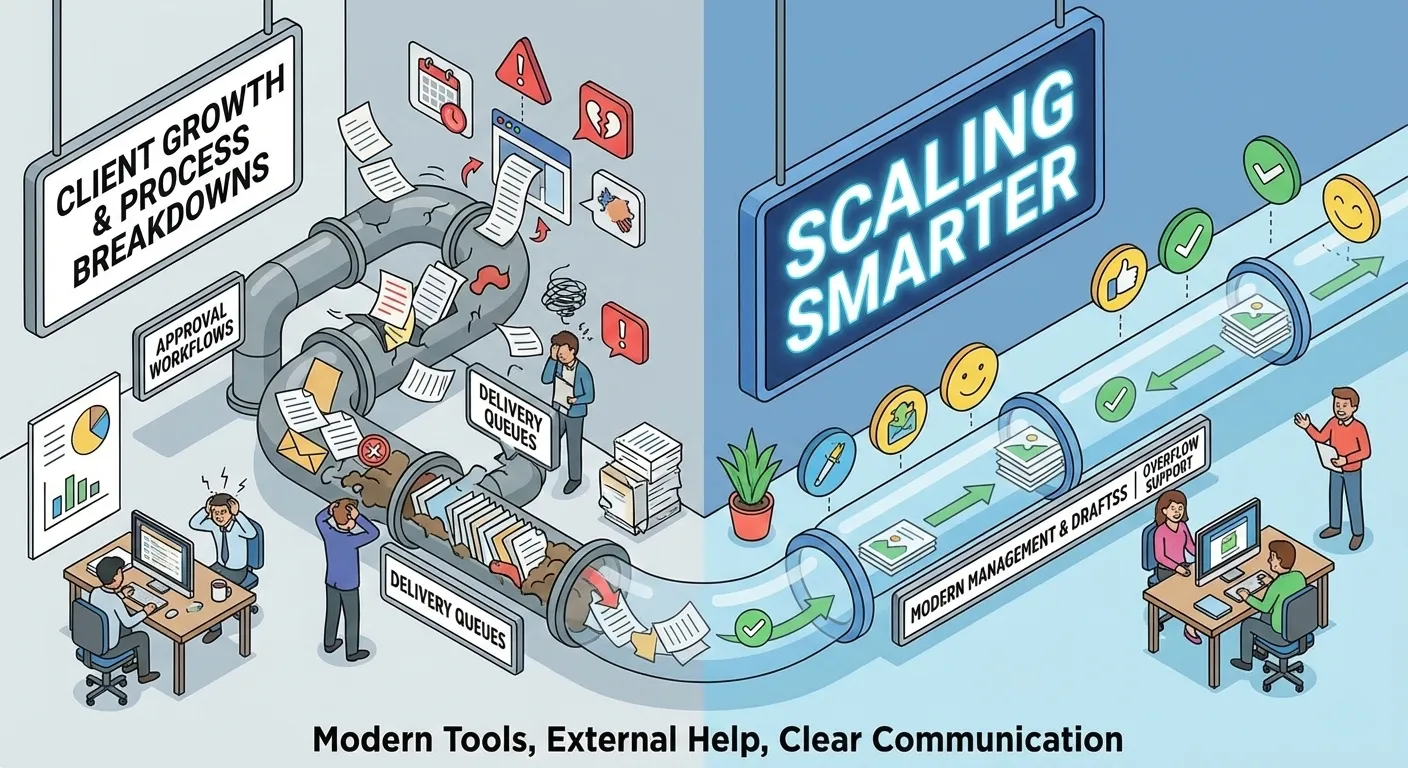
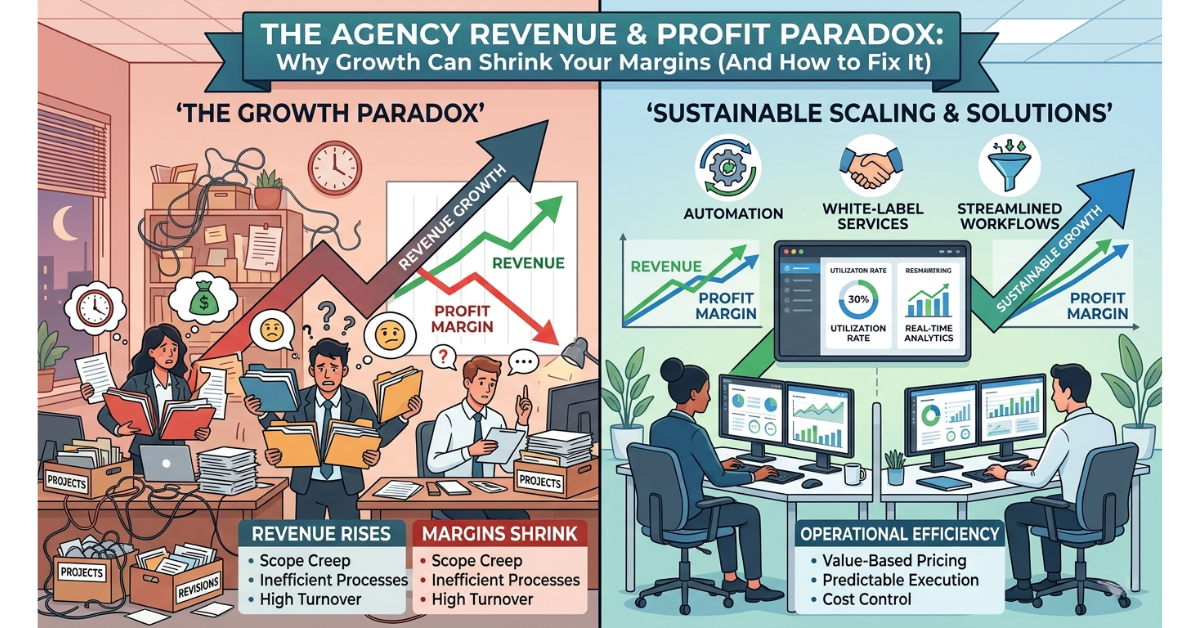
In many agencies, these symptoms don’t appear in isolation. They tend to surface when delivery pressure keeps increasing and work starts piling up faster than teams can handle it. As explained in the real reason agencies hit a wall, this kind of sustained overload is usually a sign of a deeper bottleneck in the workflow rather than an individual performance issue. Physical symptoms like tension headaches or digestive issues can further signal stress, while social withdrawal and difficulty concentrating begin to impact productivity. When work consistently feels like a chore instead of a creative outlet, it’s a clear indication that burnout is taking hold and that the underlying bottleneck needs to be addressed before quality and morale decline further.
Causes of Designer Burnout
Designer burnout often springs from a mix of overwhelming workloads and unrealistic expectations. Tight deadlines and insufficient staffing lead to excessive demands on designers, pushing them to their limits. Moreover, ambiguous client requirements can create a cycle of constant revisions, leaving designers feeling stressed and frustrated. When creative freedom is limited, innovation goes out the window, and designers can become disillusioned with their work.
Workplace dynamics also play a crucial role. Poor communication can foster feelings of isolation, particularly in remote settings where social support is lacking. High-stakes projects can feel like pressure cookers, creating an environment where every mistake feels magnified. If designers don’t have access to the tools they need, their productivity and creativity can suffer, further compounding the stress.
Management practices can contribute significantly to burnout as well. Unclear goals can lead to wasted efforts, causing designers to feel like they’re spinning their wheels. The fast-paced nature of design trends adds another layer of pressure, making designers feel like they’re always trying to catch up. Lastly, the industry often measures success by output, which can spiral into a relentless cycle of overwork, leaving no room for rest or recovery.
| Cause | Description | Impact | ||||
| Excessive Workloads | High workloads due to tight deadlines and insufficient staffing. | Leads to stress and emotional exhaustion. | ||||
| Ambiguous Expectations | Unclear client expectations causing constant revisions. | Creates anxiety and frustration. | ||||
| Lack of Creative Freedom | Limited autonomy stifling innovation. | Results in feelings of boredom and frustration. | ||||
| Poor Workplace Dynamics | Lack of communication and support exacerbating isolation. | Increases the risk of burnout. | ||||
| High-Stakes Projects | Intense pressure to deliver on critical projects. | Can overwhelm designers, leading to mental fatigue. | ||||
| Insufficient Resources | Limited access to tools necessary for productivity. | Hinders creativity and workflow. | ||||
| Ineffective Management | Poor management practices causing unclear goals. | Leads to wasted efforts and stress. | ||||
| Rapid Design Trends | The fast pace of change requiring constant adaptation. | Creates a feeling of being constantly behind. | ||||
| Isolation in Remote Work | Remote settings amplifying feelings of burnout due to lack of social support. | Can lead to increased detachment from work. | ||||
| Overemphasis on Output | Success measures based on deliverables rather than creative input. | Promotes a culture of overwork. |
Strategies to Prevent Burnout
To combat designer burnout, agencies can implement several effective strategies. First, flexible work hours can empower designers to identify their most productive times, allowing them to work when they feel most creative. Regular check-ins are also vital, as they provide a platform for team members to voice concerns and seek support, fostering a sense of community and understanding. Setting realistic deadlines helps manage expectations, reducing stress and enabling designers to produce their best work without the pressure of impossible timelines.
Promoting a culture of feedback encourages open communication and collaboration, helping designers feel valued and heard. Investing in professional development opportunities can reignite a designer’s passion, offering them fresh perspectives and skills that keep their creativity thriving. Encouraging hobbies outside of work is equally important; these activities can serve as a creative recharge, allowing designers to return to their projects with renewed energy.
Creating a designated workspace at home can help separate work from personal life, making it easier for designers to mentally disconnect after hours. Utilizing productivity tools can streamline tasks, reducing overwhelm and allowing designers to focus on what truly matters. Mindfulness practices, such as meditation or deep-breathing exercises, can be encouraged to help designers manage stress effectively, keeping their mental health in check. Lastly, promoting teamwork and collaboration ensures that designers do not feel isolated in their challenges, providing a support network that can enhance both their well-being and creativity.
- Implementing flexible work hours can help designers find their optimal productivity times.
- Encouraging regular check-ins allows teams to express concerns and seek support.
- Setting realistic deadlines helps manage expectations and reduce stress.
- Promoting a culture of feedback fosters open communication and collaboration.
- Investing in professional development opportunities can reignite passion for design.
- Encouraging hobbies outside of work can help designers recharge creatively.
- Creating a designated workspace at home can help separate work from personal life.
- Utilizing productivity tools can streamline tasks and reduce overwhelm.
- Encouraging mindfulness practices can help designers manage stress effectively.
- Promoting teamwork and collaboration can reduce feelings of isolation and enhance support.
Time Management Tips for Designers
Effective time management is crucial for designers looking to avoid burnout. Start by prioritizing tasks using a simple matrix that distinguishes between what’s urgent and what’s important. This can help you focus on tasks that truly matter, rather than getting lost in a sea of to-dos. Break larger projects into smaller, manageable tasks to prevent feeling overwhelmed. This not only makes the work feel less daunting but also allows for a sense of accomplishment as you complete each part.
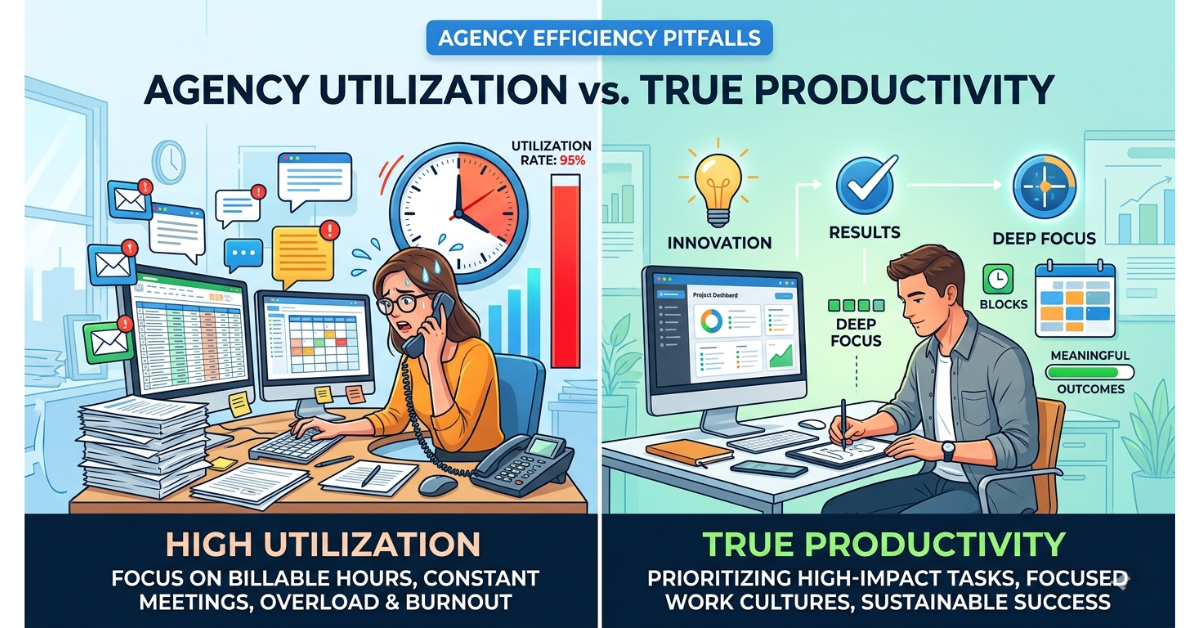
Setting specific work hours and sticking to them can significantly enhance your work-life balance. When you establish boundaries around your time, you create space for rest and personal activities. Consider using time-blocking techniques, where you allocate dedicated periods for focused work, minimizing distractions and interruptions. Regularly review and adjust your priorities to ensure you’re aligned with project goals, allowing you to pivot as needed without losing sight of what’s important.
Digital tools like calendars and task managers can help you stay organized, while creating a distraction-free work environment can boost your productivity. Use apps that block social media during work hours to maintain focus. Scheduling breaks is equally important; short breaks can recharge your energy and maintain your concentration. The Pomodoro Technique, which involves working in intervals followed by brief breaks, is a great way to keep your mind fresh. Finally, take the time to reflect on your weekly accomplishments. Recognizing progress can motivate you and help adjust your strategies for even better time management in the future.
Importance of Taking Meaningful Breaks
Taking meaningful breaks is essential for designers to recharge and maintain their creative edge. When designers step away from their screens, they can reset their mental clarity, allowing for fresh perspectives on ongoing projects. Physical movement during these breaks boosts energy levels and enhances creativity, which can lead to innovative solutions. Mindful breaks, such as meditation or deep breathing exercises, significantly reduce stress and can help prevent the emotional exhaustion often associated with burnout.
Additionally, time spent away from screens combats eye strain and promotes overall well-being. Short walks or breaks in nature can invigorate the mind, sparking inspiration and new ideas. Social interactions with colleagues during breaks foster a sense of community and support, improving team dynamics and morale. Engaging in hobbies or personal interests during breaks not only stimulates creative thinking but also serves as a crucial reminder to balance work with personal fulfillment. By scheduling regular breaks, designers can assess their workloads and make necessary adjustments, ultimately promoting a healthier work culture. Encouraging a culture of taking breaks normalizes self-care, helping to prevent burnout and ensuring that creativity flourishes.
Establishing Boundaries at Work
Establishing clear boundaries at work is essential for preventing designer burnout. First, communicate your work hours with both colleagues and clients to set realistic expectations. This way, everyone knows when you are available and when you are not. Avoid sending after-hours emails, as this shows respect for personal time and promotes a healthier work-life balance. It’s also crucial to schedule specific times for meetings, minimizing interruptions during those precious creative hours when ideas flow freely.
Managing your workload is just as important. Limiting the number of active projects ensures that you can focus on quality over quantity, preventing overwhelm. Encourage a culture where saying no is not only acceptable but encouraged, especially for tasks that exceed your capacity or don’t align with your goals. Creating a dedicated workspace at home can also help to physically separate work from personal life, making it easier to disconnect after hours.
Consider practicing digital detoxes by turning off notifications during non-work hours, allowing you to recharge fully. Establishing clear guidelines for project ownership can prevent overlapping responsibilities, ensuring everyone knows their roles and reducing confusion. Lastly, foster an environment where transparent communication about workload and stress levels is encouraged, so no one feels alone in their struggles. By promoting breaks and respecting boundaries, agencies can create a more supportive atmosphere that nurtures creativity and well-being.
Encouraging Variety in Projects
Encouraging variety in projects is a game-changer for designers. By assigning diverse projects that challenge different skills and interests, agencies can keep creativity alive and thriving. Designers can rotate roles, allowing them to experience various aspects of the design process, which not only broadens their skill set but also keeps their daily tasks fresh and exciting. Collaboration is key, when designers work with other departments, they gain fresh perspectives that can spark innovative ideas.
Moreover, giving designers the freedom to choose projects that align with their passions and expertise can lead to greater job satisfaction. Incorporating experimental projects pushes creative boundaries and allows designers to explore new avenues without the fear of failure. Hosting design sprints can further stimulate creativity, as teams can dive into new ideas without the pressure of immediate deliverables.
Setting aside time for personal creative projects can also rejuvenate designers, offering them a chance to innovate independently. Encouraging participation in design competitions not only expands their skill sets but also fosters a sense of community and healthy competition. Finally, brainstorming sessions can generate diverse ideas and strengthen collaboration. When taking creative risks is supported and celebrated, designers feel empowered to express themselves, ultimately leading to a more vibrant and dynamic workplace.
Fostering a Supportive Work Culture
Creating a supportive work culture is crucial for preventing designer burnout. Open communication is the foundation; when designers feel safe to express their thoughts and concerns, it fosters trust and collaboration. Regular feedback sessions allow for early identification of issues, ensuring that problems can be addressed before they escalate. Team-building activities play a vital role as well, strengthening relationships and enhancing teamwork among designers. Additionally, recognizing and celebrating the achievements of designers can significantly boost morale and motivation, making them feel valued and appreciated.
Resources for mental health support, such as counseling and workshops, are also essential. They provide designers with tools to cope with stress and maintain a healthy work-life balance, which should be a core value of the organization. Mentorship programs can offer guidance, helping designers navigate challenges while promoting personal and professional development. An inclusive environment that values diverse perspectives encourages creativity and innovation, making everyone feel they have a stake in the team’s success. Finally, celebrating team successes cultivates a sense of community and shared purpose, which is vital for maintaining high spirits and job satisfaction.
How Draftss Supports Design Teams
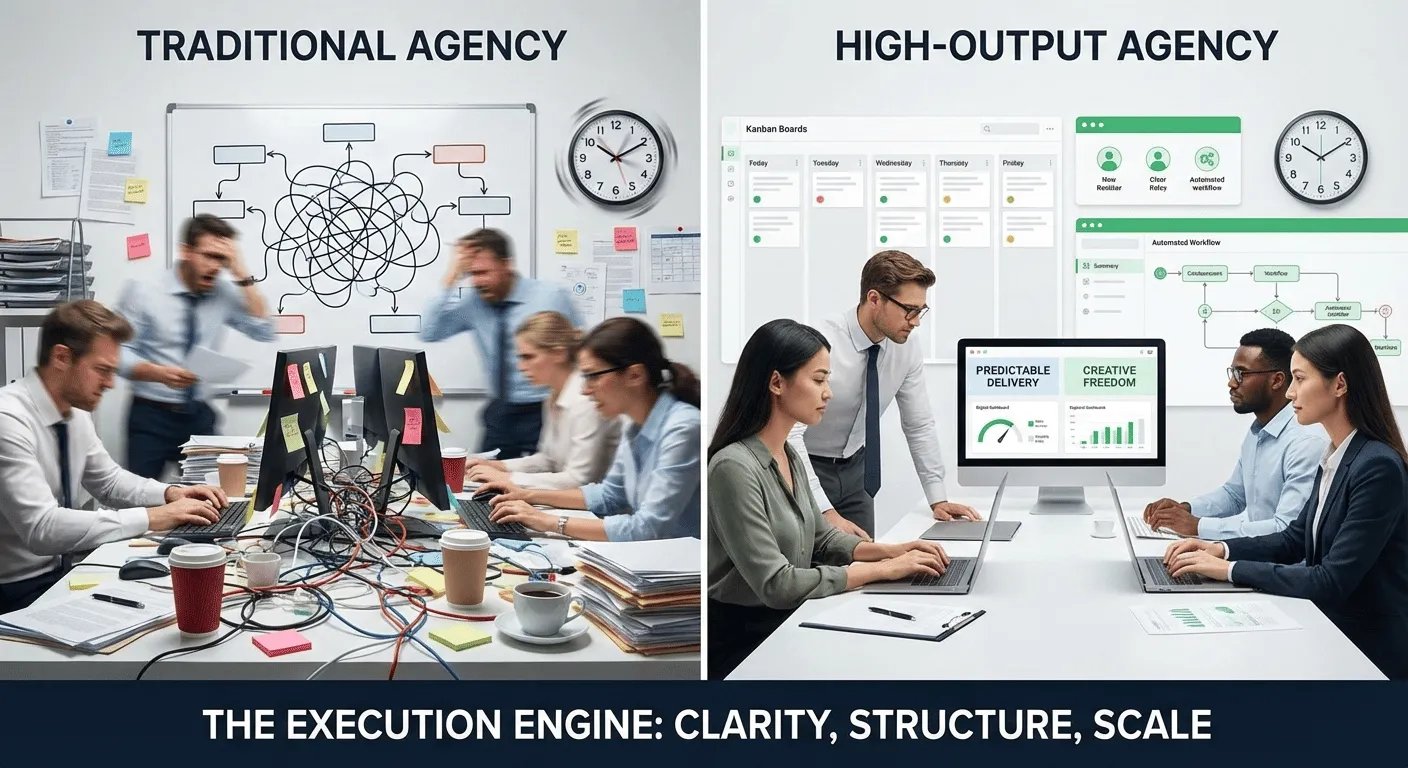
Draftss acts as a white-label design and development service for agencies that are feeling the pressure of tight deadlines and growing workloads. It works as an overflow production layer that sits quietly behind the scenes, taking on execution-heavy tasks when internal capacity runs out. This allows in-house designers to hand off repetitive or time-consuming work and stay focused on higher-value creative thinking instead of constantly firefighting delivery issues. Because the service is white-label, agencies maintain full ownership of client relationships while adding capacity without hiring or restructuring their team.
Draftss integrates into existing agency workflows with minimal disruption, maintaining consistent quality while operating as an extension of the internal team. By handling repeatable design and development tasks under the agency’s brand, it reduces delivery pressure and helps stabilize turnaround times during workload spikes. This white-label model gives agencies flexible access to execution capacity exactly when they need it, easing deadline stress and preventing bottlenecks from forming in the first place.
Creating a Healthier Work Environment
A healthier work environment can significantly reduce designer burnout and enhance creativity. One vital aspect is promoting open communication. When designers feel safe to voice their concerns and ideas without fear of judgment, it fosters a collaborative atmosphere that can spark innovation. Implementing flexible work hours is another game-changer, allowing designers to balance personal commitments with their professional responsibilities. This flexibility can lead to increased productivity and job satisfaction.
Encouraging team collaboration is essential too. By establishing team projects that promote creativity, designers can feel less isolated and more supported. Regularly recognizing and celebrating achievements, both big and small, can lift morale and motivation, making designers feel valued for their contributions.
Creating a comfortable workspace is crucial; investing in ergonomic furniture and ensuring that the environment is well-lit and free from distractions can make a significant difference. Integrating wellness programs, like yoga classes or mindfulness sessions, can also help designers recharge and maintain their mental health.
Fostering a diverse environment brings in fresh perspectives, stimulating creativity and innovation. Utilizing feedback loops to regularly seek input from designers about their work environment ensures that adjustments can be made to suit their needs. Lastly, encouraging a culture of creativity by allowing time for experimentation and play can enable designers to explore new ideas without the pressure of deadlines, ultimately leading to more inspired and fulfilled designers.
Frequently Asked Questions
1. What causes design burnout in agencies?
Design burnout in agencies often happens due to heavy workloads, tight deadlines, and a lack of support or resources. When designers are pushed too hard without enough breaks or help, they can feel overwhelmed, leading to burnout.
2. How can agencies recognize the signs of burnout in their designers?
Agencies can spot burnout by looking for signs like increased mistakes, lack of enthusiasm for projects, and dropping productivity. If a designer seems tired or unhappy, that’s a red flag that they might be experiencing burnout.
3. What are some effective strategies to prevent designer burnout?
Agencies can prevent burnout by promoting a healthy work-life balance, setting realistic deadlines, providing regular feedback, and ensuring designers have access to necessary resources. Encouraging breaks and time off also helps keep creatives fresh.
4. How important is communication in preventing designer burnout?
Communication is key in preventing designer burnout. Open dialogue about workloads, expectations, and support needs helps designers feel valued and understood, which reduces stress and promotes a healthier work environment.
5. What role does creativity play in designer burnout?
Creativity can be both a source of joy and a trigger for burnout. When designers aren’t given enough freedom to explore their creativity or face repetitive tasks, it can drain their passion. Allowing creative expression is essential for maintaining motivation.
TL;DR Designer burnout is a serious issue marked by emotional exhaustion and feelings of inadequacy, often driven by overwork, lack of support, and monotonous tasks. Key symptoms include self-doubt, procrastination, and fatigue. To combat this, agencies should implement strategies like effective time management, regular meaningful breaks, establishing work boundaries, encouraging project variety, and fostering a supportive culture. Services like Draftss can further ease the burden on design teams, helping them maintain a healthier and more creative work environment.