
Agencies often confuse high utilization with true productivity, leading to significant pitfalls. While aiming for a utilization rate of 70-90% may seem like a win, it can hide burnout and lower work quality. Employees might focus more on logging hours than producing meaningful results. This hustle culture promotes constant activity over real outcomes, as distractions from meetings and emails make deep focus rare. Issues like context switching and review overload further diminish performance by creating unrealistic expectations. To boost productivity, agencies should embrace better project management practices and foster cultures that value focused work over mere busyness.
Table of Contents
- Understanding High Utilization and Its Impact
- The Difference Between Productivity and Busyness
- How Context Switching Hurts Productivity
- The Problem of Review Overload in Agencies
- Creative Fatigue: A Hidden Barrier to Innovation
- Effective Strategies for Improving Productivity
- Leveraging External Execution Layers to Boost Focus
- Implementing Better Project Management for Success
- Creating a Culture That Values Focused Work
- Monitoring Workloads to Prevent Burnout
- Frequently Asked Questions
- TL;DR
Understanding High Utilization and Its Impact

High utilization often seems like the golden standard for agency performance, creating a false sense of security. When employees feel pressured to log excessive hours, the quality of their work can plummet. Instead of fostering creativity, high utilization metrics can lead to stress and burnout, pushing teams to prioritize hours worked over the quality of their output. This relentless focus on billable hours can cultivate a toxic work environment where employees are busy, but not truly productive.
Moreover, the emphasis on high utilization frequently overlooks the importance of employee well-being and work-life balance. A culture fixated on metrics can neglect the downtime crucial for generating innovative ideas, resulting in teams that rush through projects and fail to explore creative solutions. When utilization benchmarks are poorly defined, confusion abounds about what productivity really means, leading to inefficiencies that can be masked by seemingly high utilization rates.
Agencies also risk losing sight of overall client satisfaction when they prioritize utilization over the quality of work delivered. A shift towards valuing quality and impactful contributions rather than sheer hours logged can significantly enhance an agency’s reputation and lead to more sustainable success. Ultimately, balancing utilization with a deeper understanding of productivity can create a healthier, more innovative work environment.
| Metric | Description | Impact |
|---|---|---|
| High Utilization Rates (70-90%) | Calculated as billable hours divided by total available hours | May mask deeper issues like burnout and reduced quality of work |
| Culture of Busyness | Prioritizes reporting hours over meaningful output | Creates an illusion of productivity, leading to employee dissatisfaction |
| Employee Well-Being | Neglects the importance of work-life balance | Can result in burnout and reduced creativity |
| Toxic Work Environment | Metrics emphasizing billable hours | May diminish teamwork and engagement |
| Lack of Strategic Downtime | Overlooks the need for rest | Limits long-term creativity and innovation |
| Inefficient Processes | Utilization benchmarks can be poorly defined | Masks inefficiencies, leading to confusion about productivity goals |
| Client Satisfaction | Focus on high utilization can overshadow client needs | May compromise agency reputation and client relationships |
| Quality Work over Hours | Shifting values towards quality enhances reputation | Encourages a healthier work culture |
The Difference Between Productivity and Busyness
Productivity and busyness might seem similar, but they are worlds apart. Productivity is all about delivering results that matter, not just filling time with endless tasks. When employees are busy, they often race from one activity to the next without achieving meaningful outcomes, leading to burnout. This constant motion can create a false sense of accomplishment, yet it distracts from high-priority projects that truly drive success. Recognizing the difference is crucial for effective time management.
Agencies that focus on productivity encourage their teams to engage deeply with their work, which leads to better results. Prioritizing impactful tasks over mere activity not only boosts agency performance but also fosters a healthier work environment. Training sessions can be a game-changer, helping employees understand how to differentiate between productive work and busy work. By promoting outcomes over hours worked, agencies can cultivate a more satisfied and engaged workforce.
How Context Switching Hurts Productivity
Context switching can be a stealthy productivity killer in agencies. When employees juggle multiple tasks, they often lose precious time and face mounting frustration. Studies show that frequent changes can reduce productivity by up to 40%, as the mental effort to shift gears takes a toll. Each time someone switches tasks, they experience ‘attention residue,’ where their focus lingers on the previous task, impairing their performance on the new one. This constant back-and-forth not only hampers efficiency but also increases stress levels, making it harder to concentrate. To combat this, agencies can batch similar tasks together, allowing employees to dive deeper into their work without interruptions.
Setting clear guidelines on task prioritization also helps minimize unnecessary switches. Encouraging longer blocks of uninterrupted work creates an environment where creativity can flourish. Open communication about focus needs is crucial, enabling teams to express when they require quiet time. Additionally, implementing effective task management tools can streamline workflows and reduce the urge to switch contexts. Regular breaks are essential too, providing employees a chance to reset their focus, while cutting back on unnecessary meetings helps maintain clarity and drive. By addressing context switching head-on, agencies can unlock a new level of productivity and satisfaction among their teams.
The Problem of Review Overload in Agencies
Review overload is a common pitfall in many agencies, often leading to frustration and delays in project timelines. When teams are inundated with feedback cycles, it can create a bottleneck that halts progress. Without clear guidelines for feedback, projects can spiral into endless revisions, leaving teams feeling stuck and overwhelmed. This constant push for adjustments can stifle creativity, as team members feel pressured to continuously adapt their work instead of exploring innovative ideas. To combat this, agencies should set clear expectations for feedback, which can streamline the review process and reduce anxiety around revisions.
Limiting the number of stakeholders involved in reviews can also simplify feedback loops, making it easier to reach consensus. Establishing defined timelines for feedback is crucial, as it prevents projects from stagnating in limbo. Constructive feedback is essential; vague critiques do little to enhance outcomes. Utilizing collaborative tools can facilitate smoother review processes, allowing for real-time insights and adjustments. Regularly assessing the effectiveness of review practices can reveal areas for improvement, ensuring that teams are not just busy but truly productive. Cultivating a culture that values timely and constructive feedback can significantly enhance overall agency efficiency.
Creative Fatigue: A Hidden Barrier to Innovation
Creative fatigue is a real challenge for agencies, often lurking beneath the surface. When teams are pushed to produce constantly without adequate breaks, their creativity can quickly dwindle. Overworking creative professionals not only diminishes the quality of their work but also leads to disengagement. To combat this, agencies should consider scheduling downtime specifically for brainstorming and reflection. This time allows teams to recharge and foster new ideas. Balancing creative tasks with routine work is essential for maintaining energy levels.
Moreover, providing opportunities for professional development keeps creativity fresh and vibrant, inspiring teams to think outside the box. A supportive environment that encourages open idea exchange can spark innovation and revive tired minds. Recognizing early signs of fatigue is crucial, as it allows agencies to take proactive steps to mitigate its effects. Flexible work arrangements can also help employees recharge creatively, while collaboration fosters new ideas and reduces the pressure on individuals. Lastly, prioritizing mental health resources supports creative teams, ensuring they have the tools needed to thrive.
Effective Strategies for Improving Productivity
Implementing effective time management techniques can significantly boost employee focus on priority tasks. For instance, techniques like the Pomodoro Technique, which encourages short bursts of focused work followed by brief breaks, can help maintain high energy levels throughout the day. Project management software enhances visibility and accountability, allowing teams to track progress and responsibilities clearly. Regular check-ins are vital for keeping teams aligned and motivated. They offer opportunities for feedback and adjustments, fostering a sense of teamwork and commitment.
Setting realistic deadlines is another key strategy, as it prevents burnout and enhances the quality of work. When teams feel overwhelmed by unrealistic timelines, the pressure can lead to mistakes and lower morale. Fostering open communication within teams plays a crucial role in addressing potential roadblocks early on, reducing stress and confusion.
Encouraging breaks and downtime is essential for sustaining productivity. Research shows that brief breaks can rejuvenate the mind, leading to improved focus and creativity. Providing training on productivity tools empowers employees to work more efficiently, ensuring they utilize resources effectively. An organized workspace minimizes distractions, allowing for better concentration.
Recognizing and rewarding high performance can motivate teams to excel, creating a positive feedback loop that enhances overall productivity. Lastly, encouraging autonomy gives employees ownership of their work and outcomes, leading to greater engagement and innovative solutions.
- Implementing time management techniques can help employees focus on priority tasks.
- Using project management software can enhance visibility and accountability.
- Encouraging regular check-ins can help teams stay aligned and motivated.
- Setting realistic deadlines can prevent burnout and improve quality of work.
- Fostering open communication can help address potential roadblocks early.
- Encouraging breaks and downtime can enhance overall productivity.
- Providing training on productivity tools can empower employees to work more efficiently.
- Creating an organized workspace can minimize distractions and improve focus.
- Recognizing and rewarding high performance can motivate teams to excel.
- Encouraging autonomy allows employees to take ownership of their work and outcomes.
Leveraging External Execution Layers to Boost Focus
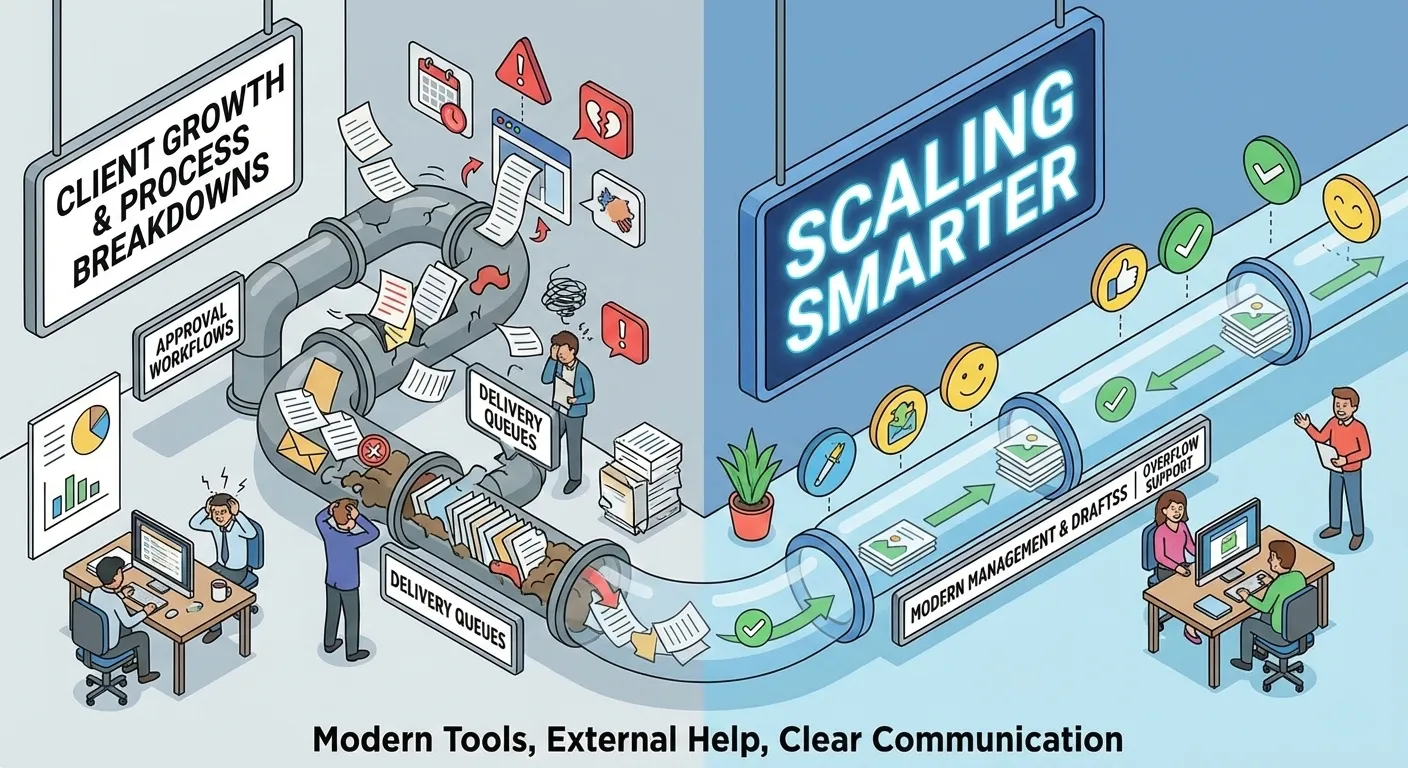
Agencies can significantly enhance their productivity by leveraging external execution layers. Outsourcing non-core tasks allows internal teams to concentrate on strategic initiatives, freeing up valuable time and resources. For example, if a marketing agency partners with freelancers for content creation, the internal team can devote their energy to planning and executing innovative campaigns. External teams also bring fresh perspectives, which can spark creativity and lead to innovative solutions that may not emerge in a more insular environment.
Using freelancers or contractors offers flexibility, especially during peak workloads. When projects surge, agencies can quickly scale up their resources without the long-term commitment of hiring full-time staff. This adaptability not only helps manage workload but also buffers against fluctuations in demand.
Automation tools play a crucial role in this strategy as well. By automating repetitive tasks, agencies can minimize the cognitive load on their teams, enabling them to engage in high-value activities that require deeper focus and creativity. Moreover, creating partnerships with external agencies can enhance service offerings without overwhelming internal staff, allowing for a broader range of solutions for clients.
Investing in technology that supports collaboration and streamlines processes is essential. These tools can facilitate smooth communication between internal teams and external partners, ensuring that everyone is aligned on project goals and quality standards. Regular reviews of these partnerships are critical to ensure they remain beneficial and aligned with the agency’s objectives, allowing for adjustments as needed to maximize productivity. Clear communication with external teams is key to maintaining quality and ensuring that the strategic work is not compromised.
Implementing Better Project Management for Success
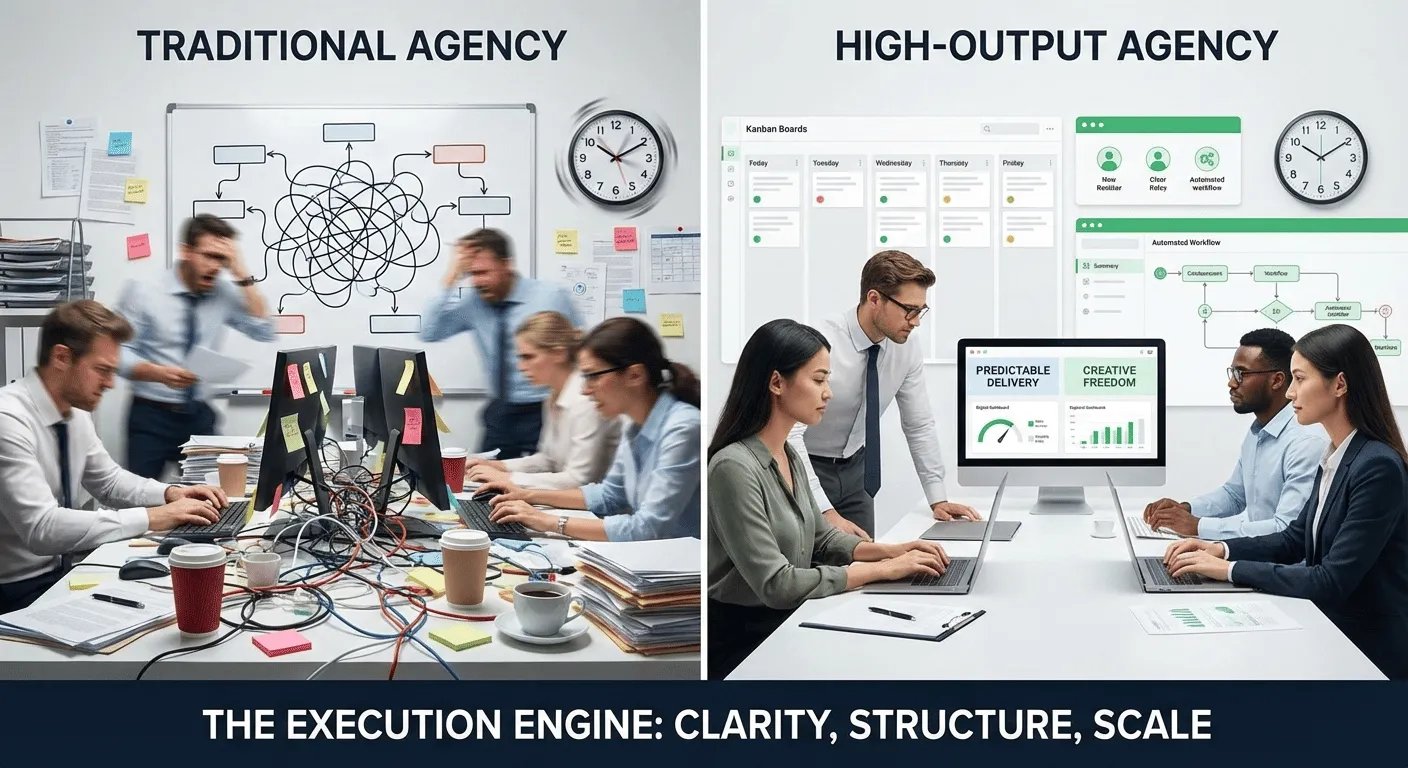
Effective project management is the backbone of any successful agency. When roles and responsibilities are clearly defined, teams can work more efficiently without stepping on each other’s toes. Well-defined project scopes are crucial too, as they help prevent scope creep, allowing teams to stay focused on their primary objectives. By adopting agile methodologies, agencies can improve their flexibility and responsiveness to changes, ensuring they can pivot when necessary without losing momentum. Regular project updates keep everyone informed and engaged, fostering a collaborative environment where team members are aligned and motivated.
Incorporating feedback loops not only enhances project outcomes but also boosts client satisfaction, as clients feel their input is valued and acted upon. Providing project management training equips employees with the necessary skills to navigate challenges effectively, creating a more competent workforce. Utilizing data analytics allows for tracking project performance in real-time, enabling informed adjustments that can steer projects back on course. Creating a centralized repository for project documents improves accessibility and collaboration, making it easier for teams to find the information they need when they need it.
Setting clear milestones helps keep teams motivated and on track, as they can celebrate small victories along the way. Finally, encouraging post-project reviews fosters a culture of continuous improvement, allowing agencies to learn from past experiences and refine their processes for future projects.
Creating a Culture That Values Focused Work
Creating a culture that values focused work is essential for boosting productivity in agencies. By promoting policies that prioritize deep work, agencies can enhance both productivity and creativity. Establishing ‘no meeting’ times allows employees to dive deep into their projects without interruptions, fostering an environment where they can truly excel. Encouraging employees to set boundaries around their work helps them focus better, as they can dedicate their energy to tasks that matter most. Recognizing and rewarding focused work can motivate others to adopt similar practices, creating a ripple effect throughout the organization.
Moreover, a distraction-free environment can significantly improve concentration and spark innovation. Providing resources on time management equips employees with the tools to prioritize effectively, enabling them to tackle their workloads with clarity. Leadership plays a crucial role too; when leaders model focused work behaviors, it sets a tone that resonates throughout the organization. Incorporating mindfulness practices into the workplace can further enhance individual focus and well-being, creating a healthier work atmosphere.
Additionally, offering flexible work arrangements supports employees in finding their optimal work rhythm, allowing them to perform at their best. Regularly assessing the work culture helps identify areas for improvement, ensuring that the organization continually evolves towards valuing focused, impactful work.
Monitoring Workloads to Prevent Burnout
Regularly assessing team workloads is crucial to spotting signs of overload early. By establishing a system where employees can report their workload, agencies enhance transparency and create a culture of openness. Encouraging discussions about workload helps to foster a supportive environment where team members feel comfortable expressing their concerns. Implementing a buddy system can also be beneficial, allowing employees to share tasks and support one another during busy periods. Utilizing analytics to track workload distribution enables managers to make necessary adjustments, ensuring no one is overwhelmed.
Moreover, promoting a culture of balance encourages employees to take breaks when needed, which is essential for mental health. Providing mental health resources can further support employees who may be at risk of burnout. Setting realistic expectations is key to maintaining manageable workloads, while regular check-ins with team members keep managers informed about their well-being. Lastly, empowering employees to practice self-care not only helps in managing stress but also fosters a healthier work environment.
Frequently Asked Questions
What is the difference between high utilization and productivity?
High utilization means that staff is busy and working a lot of hours, while productivity focuses on how much valuable work is actually getting done in those hours.
Why do agencies think high utilization is more important than productivity?
Agencies often believe that keeping employees busy leads to more profits, but this can backfire if the work isn’t effective or valuable.
How can focusing on productivity improve agency performance?
By emphasizing productivity, agencies can ensure the work being done has a real impact, leading to happier clients and better results, even if employees aren’t working every hour possible.
What are some signs that an agency is misjudging high utilization and productivity?
If teams are overworked, deadlines are missed, or client feedback is negative, these could be signs that the agency is too focused on keeping people busy instead of being productive.
What can agencies do to shift their focus from utilization to productivity?
Agencies can start by setting clear goals based on outcomes rather than hours worked, encouraging collaboration, and regularly reviewing project success to highlight the value of productive work.
TL;DR High utilization looks like performance. It often hides declining productivity.
When agencies optimize for billable hours instead of outcomes, teams become busy but not effective. Constant meetings, context switching, review cycles, and administrative drag consume cognitive energy that should be used for high-value work. The result is burnout, reduced creativity, and lower-quality output, even while utilization metrics appear healthy.
True productivity comes from focus, not fullness. Agencies that protect deep work, streamline review processes, reduce task switching, and offload execution noise create more meaningful output with less strain on their teams.
External execution layers can play a key role by absorbing repetitive or overflow tasks, allowing internal teams to stay in strategic and creative flow. When success is measured by results rather than logged hours, agencies improve both performance and team sustainability.
The goal is not to keep people busy. It is to keep their best thinking available.