
Creative bottlenecks can really slow down an agency’s progress, leaving teams feeling overwhelmed and projects lagging behind, which is often the real reason agencies hit a wall as they scale. Centralizing tasks among a few individuals often leads to this frustration. To tackle these issues effectively, it’s essential to establish clear workflows and optimize resource allocation. Separate ideation from execution so creative leaders can focus on innovative concepts instead of getting caught up in the daily grind. By embracing tools that enhance communication and automation, as well as regularly auditing processes, agencies create smoother operational flows. Building a flexible workforce through cross-training ensures that no one person bears the weight alone, fostering creativity and timely delivery across all projects.
Understanding Creative Bottlenecks in Agencies
Creative bottlenecks can be the silent killers of innovation within agencies. They often manifest when workflows become imbalanced, causing projects to grind to a halt and frustration to ripple through teams. Imagine a situation where several creative minds are crammed into a single lane, all trying to push forward while the same few individuals handle too many tasks . This not only slows down progress, but it can also lead to overwhelming stress for those involved. The weight of constant interruptions and demands can cloud the creativity that agencies thrive on.
As these bottlenecks persist, morale can take a hit, leading to increased turnover rates as team members seek environments where their creativity can flourish without obstruction. Additionally, when agencies struggle to meet client deadlines due to these slowdowns, client satisfaction begins to waver, which can have long-term repercussions on relationships and reputation.
Understanding the workflow is crucial for leaders aiming to identify where delays occur. Regular assessments of these workflows can help teams remain agile and responsive to changes, fostering an environment that encourages collaboration rather than blame. By pinpointing the root causes of creative bottlenecks, agencies can take meaningful steps toward nurturing a culture of innovation. For instance, if teams realize that too many tasks are falling on a single creative lead, they can redistribute responsibilities, ensuring that fresh ideas continue to flow without interruption.
Causes of Creative Bottlenecks
Creative bottlenecks can originate from several key issues that disrupt the flow of ideas and execution. Unclear workflow structures create confusion, leading to miscommunication and delays. When team members are not sure of their responsibilities or the processes that guide their work, projects can stall. Poor resource allocation is another culprit; some team members may be overwhelmed with tasks while others have little to do, which is often why agencies burn out their designers over time.
Ineffective communication often causes critical information to get lost in transit, creating roadblocks that slow down progress. When teams operate in silos, collaboration suffers, and vital insights are missed, further delaying creative outcomes. The absence of standard procedures can lead to inconsistency, making it difficult for teams to produce quality work efficiently.
Overdependence on specific individuals can limit the team’s flexibility, hindering their ability to pivot in a changing landscape. Ambiguous roles and responsibilities often result in duplicated efforts or, worse, tasks slipping through the cracks entirely. Insufficient training leaves team members feeling underprepared, which can stifle their creativity and confidence.
Additionally, project overload can occur when teams take on too much without clear priorities, especially when agencies struggle to handle client overload without breaking their team. This often leads to high levels of stress and pressure, contributing to burnout and diminishing the quality of creative output. Recognizing these causes is the first step toward addressing and eliminating creative bottlenecks.
| Cause | Description | |||
| Unclear Workflow Structures | Lack of clearly defined processes can cause confusion and delays. | |||
| Poor Resource Allocation | Over-reliance on certain individuals can lead to burnout and inefficiencies. | |||
| Ineffective Communication | Miscommunications can stall projects as teams await critical information. | |||
| Lack of Standard Procedures | Without established protocols, teams may struggle to maintain consistency. | |||
| When Teams are Siloed | Collaboration suffers, causing delays in the creative process. | |||
| Ambiguous Roles and Responsibilities | Can lead to duplicated efforts or tasks falling through the cracks. | |||
| Insufficient Training | May leave team members feeling unprepared to tackle their tasks effectively. | |||
| Project Overload | Occurs when teams take on more than they can handle without clear priorities. | |||
| High Levels of Stress and Pressure | Can contribute to creative bottlenecks, leading to burnout. |
Strategies to Eliminate Creative Bottlenecks
To truly unlock creativity, it’s essential to separate ideation from execution. This allows your creative minds to dive deep into brainstorming without the distractions of implementation. For instance, consider structuring your teams so that creative directors can focus exclusively on innovative concept development, while dedicated production teams manage the actual execution. Another powerful tool is value stream mapping, which helps visualize workflows and pinpoint inefficiencies. By seeing the entire process laid out, teams can better understand their roles and identify where delays might be sneaking in.
Optimizing resource allocation is another game-changer. Using project management tools like Asana or Trello can help distribute tasks evenly across your team, preventing any one person from becoming overloaded. Moreover, cross-training staff to handle multiple roles adds flexibility, allowing the team to adapt quickly to changing demands.
Automation is your ally in minimizing delays. By integrating tools that take care of repetitive tasks like data entry, your creative teams can focus more on the exciting aspects of their work. Enhancing communication is crucial too; establishing regular feedback loops and utilizing shared dashboards keeps everyone informed and engaged.
Implementing agile methodologies can add momentum to your projects. By breaking work into manageable sprints, your team can maintain energy and regularly reassess workloads, making it easier to spot and tackle bottlenecks. Regular workflow audits are key to identifying areas for improvement. Keeping the conversation open among team members fosters a culture of collaboration, where everyone feels confident sharing ideas and concerns.
Lastly, consider offloading execution tasks to external partners as a way to fix design bottlenecks without hiring. This tactic allows your creative leads to concentrate on ideation while ensuring that the implementation side runs smoothly. By adopting these strategies, you can create a workflow that fuels creativity while also helping agencies reduce turnaround time across projects.
Separate Ideation from Execution

To truly unleash creativity, it’s essential to separate ideation from execution. By establishing clear production layers, you can clarify responsibilities, allowing creative minds to focus solely on generating innovative ideas. For instance, dedicated brainstorming sessions can be set up where team members are encouraged to think freely without the stress of immediate implementation. This not only fosters a safe space for creativity but also leads to a wealth of ideas that can be refined later.
Designating specific teams for execution ensures that your creative leads can concentrate on what they do best, innovating. During the ideation phase, it’s beneficial to invite execution teams to provide input, creating a collaborative atmosphere that enriches brainstorming sessions with fresh perspectives. Implementing guidelines that protect creative time for leads helps minimize interruptions, allowing for deeper thought processes during critical periods.
Utilizing collaborative tools to document ideas generated during these sessions creates a valuable resource for execution teams to reference later. Regular check-ins between ideation and execution teams help align project goals and keep everyone on the same page. Promoting cross-functional teams can also enhance the diversity of insights, making the creative process more robust and dynamic. Lastly, establishing a feedback mechanism allows execution teams to share challenges faced in implementing creative ideas, providing invaluable insights that can refine future ideation efforts.
Implement Value Stream Mapping
Value stream mapping is a powerful tool that can transform how teams visualize and manage their workflows. By creating a visual representation of the entire process, you can pinpoint where delays and inefficiencies occur. Engage your entire team in this mapping process to ensure everyone understands their roles, which fosters a sense of ownership and clarity. As you analyze each step, look for bottlenecks and ask why they happen. Prioritize the improvements that will make the biggest impact on productivity and creativity. With insights gained from the mapping, streamline your processes by eliminating redundant steps that slow down progress. Keep your value stream map updated as your agency evolves, and encourage team members to provide feedback to enhance its accuracy and effectiveness. Use the map as a training tool for newcomers to help them grasp the workflow dynamics quickly. Incorporate value stream mapping discussions into regular team meetings to maintain a focus on continuous improvement. Finally, celebrate the successes achieved through mapping efforts to motivate your teams and keep them engaged in the process.
Optimize Resource Allocation
To tackle creative bottlenecks, effective resource allocation is paramount. Start by utilizing project management tools like Asana or Trello, which enable real-time tracking of team workloads and project progress. This visibility allows you to distribute tasks more evenly, preventing any single team member from becoming overloaded. Conduct regular assessments of your team’s capacities, aligning project demands with individual skills and availability. Encourage cross-training among team members, fostering a versatile workforce that can easily adapt to shifting needs.
Create a resource allocation matrix to visualize team strengths and weaknesses, ensuring that tasks are assigned based on priority and urgency. This structured approach not only helps in balancing workloads but also minimizes the risk of burnout. Monitor project timelines closely to proactively adjust allocations as demands shift, keeping your projects on track. Regular check-ins with team leads can serve as a platform for discussing workload distribution and addressing any concerns before they escalate.
Cultivating an environment where team members feel comfortable discussing their workload is essential. Encourage open conversations about overburdening or underutilization, so adjustments can be made swiftly. Use performance metrics to guide resource allocation decisions, ensuring alignment with your agency’s goals. Finally, promote flexibility in roles, allowing team members to take on various tasks as needed, which can significantly bolster your agency’s ability to meet objectives without straining individual capacities.
Automate Repetitive Tasks
Automating repetitive tasks is a game changer for creative teams. Start by pinpointing those time-consuming activities, like data entry or report generation, that drain energy and resources. Once you’ve identified them, explore software solutions capable of seamlessly integrating with your existing workflows. Tools like Zapier or Integromat can help automate these tasks effectively. It’s crucial to train your team on these automation tools, ensuring everyone feels confident in using the technology.
Regularly assess the effectiveness of the automation tools you implement. This will help you determine whether they are still meeting your team’s needs and boosting efficiency. Don’t forget to encourage feedback from your team about the automation process, as they can provide valuable insights on potential improvements. For instance, using automation to streamline communication, such as sending reminders or notifications, can significantly enhance workflow and keep everyone on the same page.
Additionally, automate project tracking to allow team members to focus on creative tasks rather than administrative duties. Setting up templates for common tasks can also reduce the time spent on repetitive work. As you monitor the impact of automation on productivity, be ready to adjust as necessary to maximize benefits. Finally, celebrate milestones achieved through automation, reinforcing the value it brings to your team and creating a positive atmosphere around these new tools.
Enhance Communication and Transparency
Effective communication is the backbone of any creative team. Establishing regular check-in meetings creates a space for team members to share project updates and discuss challenges openly. This promotes a culture where everyone feels heard and valued. Using collaborative platforms like Slack or Microsoft Teams facilitates real-time communication, ensuring that all team members are in sync with project developments. Moreover, a shared project dashboard can be a game-changer; it allows everyone to track progress and updates, increasing transparency across the board.
Encouraging team members to share insights and feedback fosters collaboration and sparks creativity. Implementing structured feedback loops can help resolve issues quickly, preventing them from escalating into larger problems. Visual aids, such as flowcharts or infographics, can clarify complex processes, making it easier for everyone to understand their roles and responsibilities.
Training on effective communication skills equips team members to express their ideas clearly, which is vital for collaborative success. Setting expectations for timely communication cultivates accountability among team members, ensuring that everyone keeps each other informed. Celebrating effective communication practices reinforces their importance in the team’s workflow. Finally, creating an environment of trust allows team members to share concerns without fear of judgment, leading to open dialogue and innovative solutions.
Implement Agile Methodologies
Implementing agile methodologies can dramatically shift how teams tackle projects, helping to eliminate creative bottlenecks. By breaking larger projects into smaller, manageable sprints, teams can maintain a steady pace and focus on immediate tasks without feeling overwhelmed. Daily stand-up meetings serve as quick check-ins where team members can discuss their progress, share updates, and address any roadblocks that may arise, fostering a culture of accountability and collaboration.
Retrospectives at the end of each sprint are crucial for reflection. Teams can analyze what worked well and identify areas for improvement, creating a learning environment that promotes growth. Empowering teams to self-organize encourages them to determine the best ways to approach their tasks, enhancing creativity and ownership.
Flexibility in planning is essential. Allowing teams to adjust their strategies based on new information or changing priorities means they can respond quickly to challenges and opportunities. Promoting collaboration across different roles within the team can lead to innovative solutions and richer creative outputs, as diverse perspectives come together.
Utilizing agile project management tools like Jira or Trello can streamline communication and track progress efficiently. These tools help keep everyone on the same page, reducing the chances of miscommunication. Encouraging a culture of experimentation lets teams explore new ideas without the fear of failure, fostering an environment where creativity thrives.
Lastly, it’s important to monitor and adjust agile processes regularly. By refining their approach based on team experiences, leaders can ensure that agile methodologies continue to serve their purpose effectively. Celebrating successes achieved through these practices reinforces their value and motivates teams to keep pushing boundaries.
Regular Workflow Audits
Regular workflow audits are essential for maintaining a streamlined creative process. By conducting these audits, teams can evaluate their efficiency and uncover areas that need improvement. Involving all team members in the audit process is key, as it brings a wealth of perspectives that highlight challenges often overlooked. Utilizing data analytics to assess performance metrics helps pinpoint exact bottlenecks, allowing teams to tackle issues head-on. Establishing a consistent review schedule ensures that audits are not just a one-time effort but a regular practice, keeping workflows fresh and efficient.
Encouraging honest feedback from team members about their experiences with current workflows creates an open environment for improvement. It’s also beneficial to identify best practices from successful projects that can be replicated in future endeavors. After implementing changes based on audit findings, it’s crucial to monitor their effectiveness over time, ensuring that adjustments lead to real, positive outcomes.
Additionally, using audit results to design targeted training sessions can directly address specific weaknesses within workflows. Fostering a culture of continuous improvement motivates team members to suggest enhancements, promoting a proactive approach to workflow management. Finally, celebrating improvements and milestones achieved through these audits can boost team morale, making everyone feel invested in the process and its outcomes.
Protect Creative Leads from Execution Overload
Creative leads often find themselves bogged down by execution tasks that can diminish their innovative spark. It’s crucial to identify which tasks can be offloaded to external partners, relieving this pressure and allowing agencies to increase delivery capacity without pushing creative leads harder. By researching and selecting reliable partners who understand the agency’s creative vision, agencies can ensure a smooth collaboration that maintains quality and consistency. Establishing clear guidelines for these partnerships is vital, as it sets the expectations for communication and project standards.
Creating a buffer in project timelines is another smart strategy. This buffer accommodates external execution tasks without disrupting the creative process, ensuring deadlines are met without compromising on creativity. Regular assessments of these partnerships keep them aligned with agency needs, allowing for adjustments as necessary. Tools like project management software can streamline coordination between internal teams and external partners, facilitating effective collaboration.
Encouraging creative leads to focus solely on their strengths while dedicated teams handle execution is a game changer. This not only boosts morale but also enhances productivity. Monitoring project outcomes closely ensures that offloading tasks doesn’t dilute the quality or creativity of the work produced, while providing training and support for team members fosters a more collaborative environment. With the right approach, agencies can protect their creative vision and foster a thriving creative culture.
Where execution should sit to remove creative bottlenecks
Creative bottlenecks don’t disappear because teams try harder. They disappear when execution stops competing with thinking. In most agencies, the same people are expected to generate ideas, review work, manage clients, and still push pixels. That setup guarantees congestion.
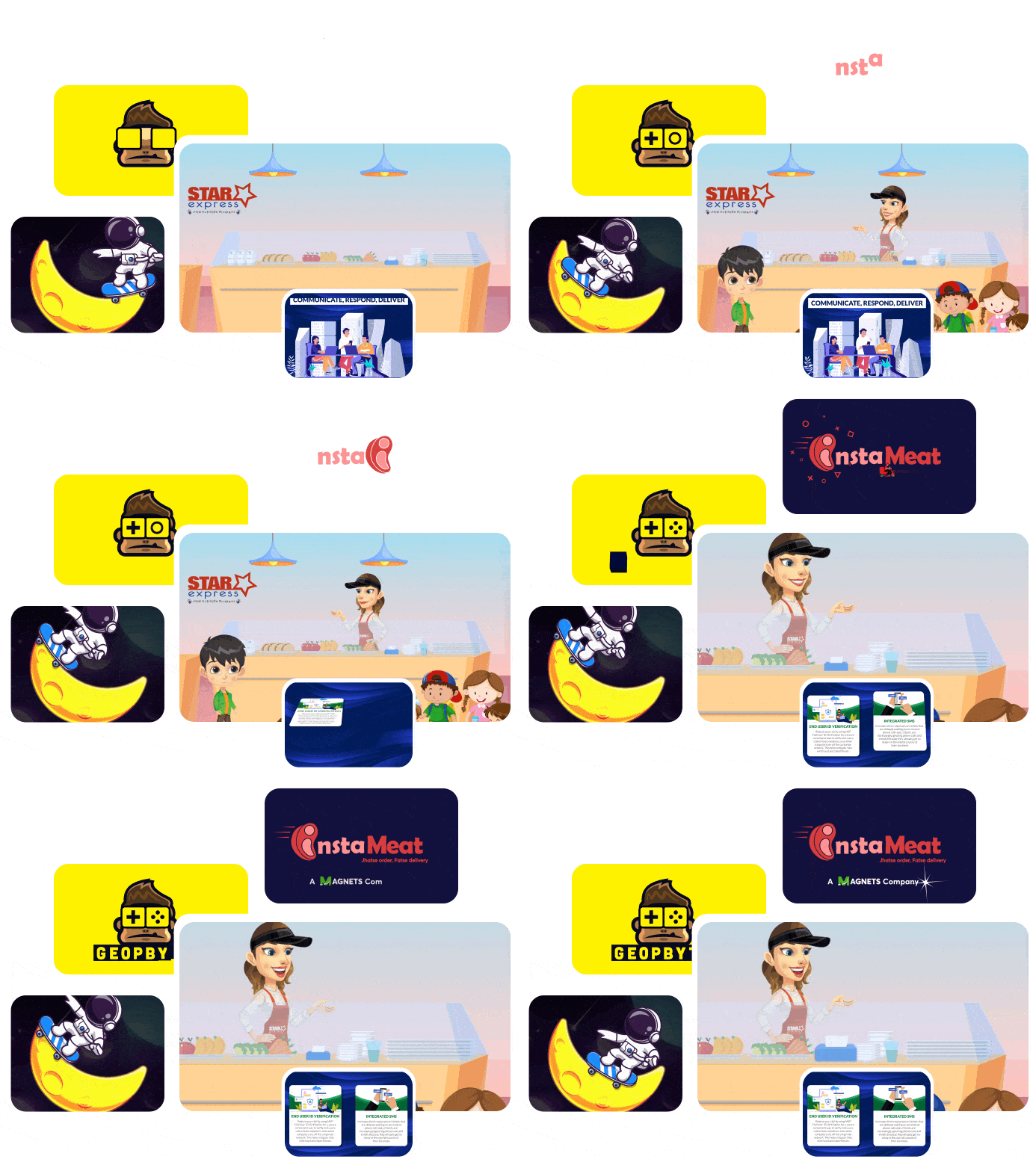
This is where white-label design that actually removes bottlenecks makes sense. Instead of routing every task through creative leads, execution-heavy design and development work moves into a behind-the-scenes production layer that absorbs volume without touching strategy or client relationships. The goal isn’t outsourcing creativity. It’s protecting it.
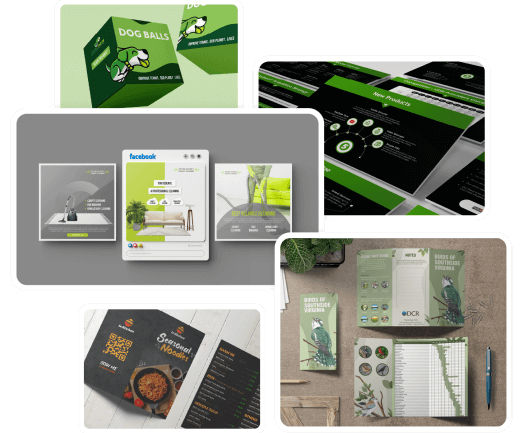
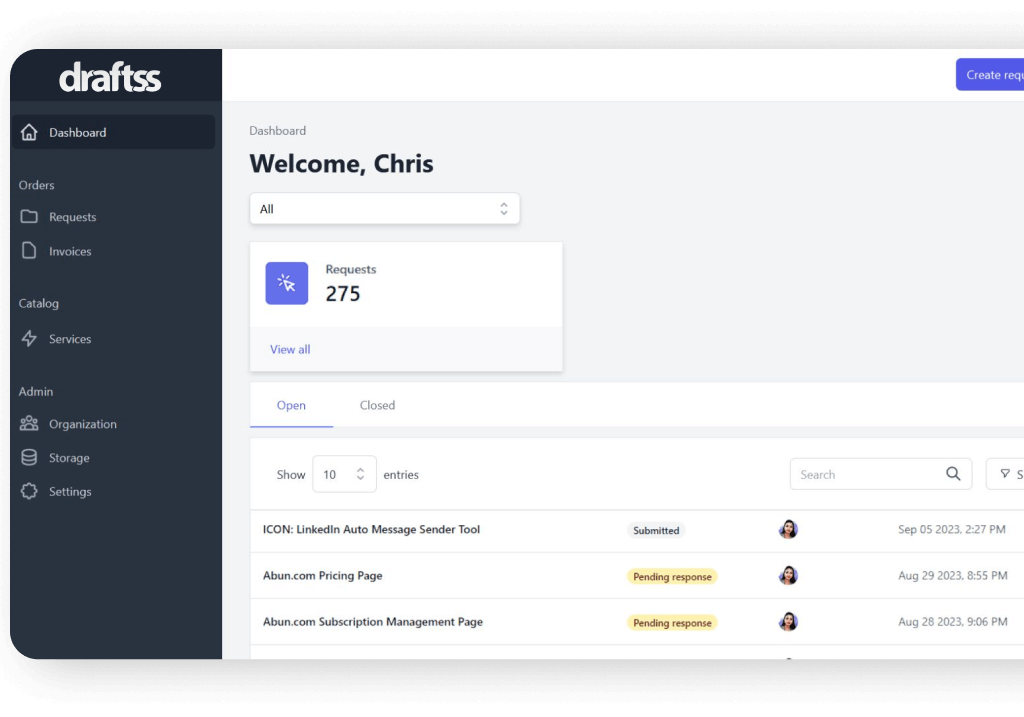
Draftss fits into this layer as a white-label design and development service that agencies use when execution demand spikes. It handles repeatable and time-consuming work under the agency’s brand, so internal teams can stay focused on direction, reviews, and higher-value thinking instead of clearing backlogs. Capacity can expand or contract based on workload without long hiring cycles or constant freelancer coordination.
When execution pressure is removed from creative leads, ideas move faster. Reviews become intentional instead of rushed. Delivery becomes predictable again. Creative bottlenecks don’t get “managed” at that point. They stop forming in the first place.
Frequently Asked Questions
1. What causes creative bottlenecks?
Creative bottlenecks can happen for many reasons. It might be stress, lack of inspiration, or feeling overwhelmed by deadlines. Sometimes the creative environment isn’t right, or we don’t have enough resources to get our ideas flowing.
2. How can I identify a creative bottleneck?
You can spot a creative bottleneck when you notice you’re stuck, unable to generate new ideas, or taking a lot longer to complete tasks. If brainstorming feels harder than usual or your usual sources of inspiration aren’t working, those are signs of a bottleneck.
3. What are some techniques to overcome creative bottlenecks?
To tackle creative bottlenecks, you can try breaking your work into smaller tasks, switching up your environment, or even taking a short break to refresh your mind. Engaging in creative activities outside your main project, like doodling or brainstorming, can also help.
4. How can collaboration help with creative bottlenecks?
Collaborating with others can breathe new life into your creativity. When you share ideas, get different perspectives, or just talk things out with a teammate, it can spark inspiration and lead to fresh solutions.
5. Are there specific tools that can help with creativity?
Yes, there are plenty of tools designed to boost creativity. Mind mapping software, brainstorming apps, and project management tools can help organize thoughts and ideas. Even simple tools like notebooks or sticky notes can be powerful for jotting down fresh ideas.
TL;DR Creative bottlenecks can stall productivity in agencies, but actionable strategies can help overcome them. Understanding these bottlenecks is crucial, with common causes including unclear workflows, poor resource allocation, and ineffective communication. To combat these issues, agencies should separate ideation from execution, implement value stream mapping, optimize resource allocation, automate repetitive tasks, enhance communication, adopt agile methodologies, conduct regular workflow audits, and protect creative leads from overload. Leveraging services like Draftss for execution support can also ease the burden on teams. By implementing these strategies, agencies can boost creativity and ensure timely project delivery.