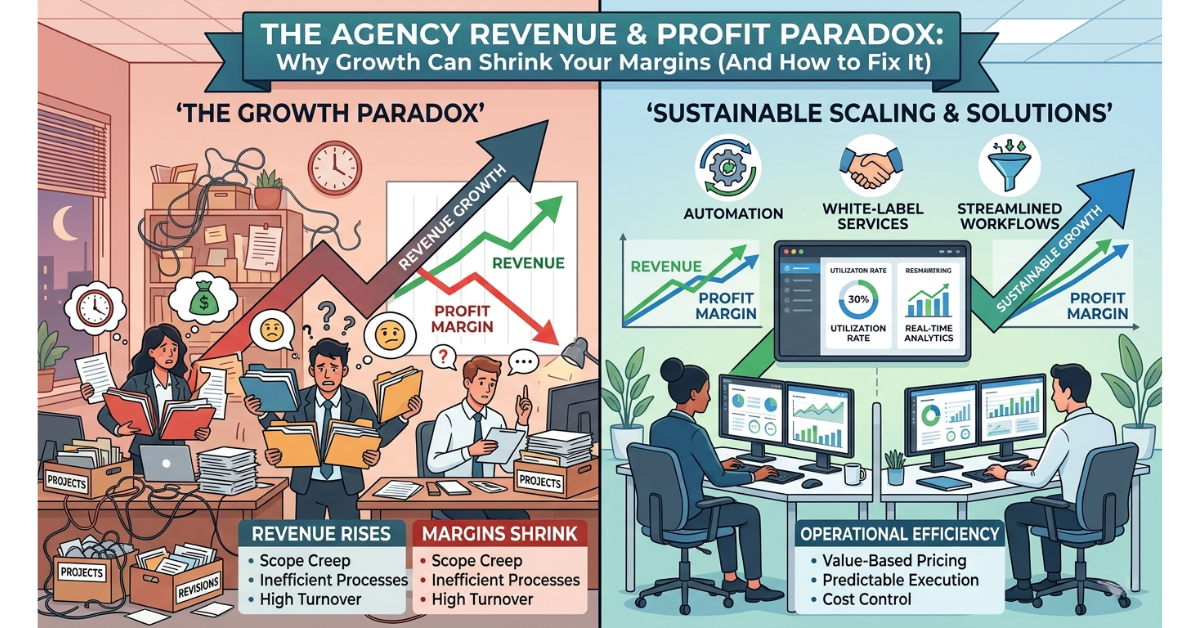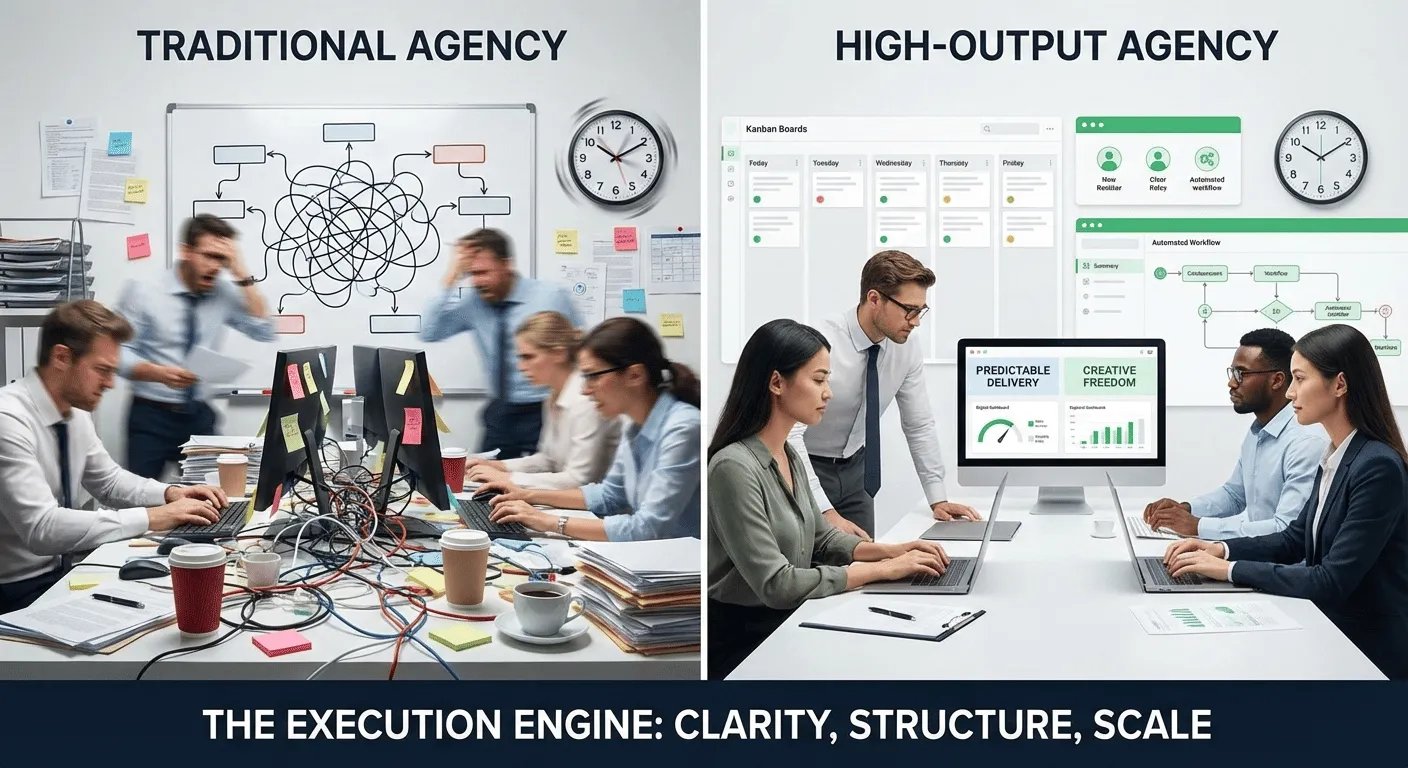

In the competitive landscape of agency operations, timely delivery is crucial for success. Slow turnaround can frustrate clients and overwhelm teams, ultimately affecting revenue. Identifying bottlenecks like overloaded designers and inefficient workflows is key to improvement. By adopting capacity-first processes, setting clear expectations with clients, and leveraging project management tools, agencies can streamline operations significantly. Additionally, automating repetitive tasks frees up team members for more creative work. Partnering with platforms like Draftss provides extra resources when needed without long-term commitments. These strategies collectively make it possible to cut turnaround times by 30–50%, boosting efficiency and client satisfaction remarkably!
Table of Contents
- Understanding Agency Bottlenecks
- Identifying Common Workflow Issues
- Strategies to Implement Capacity-First Workflows
- Setting Clear Expectations with Clients
- Utilizing Project Management Tools Effectively
- Automating Repetitive Tasks for Efficiency
- Cross-Training Team Members for Flexibility
- Establishing Feedback Loops for Continuous Improvement
- Hiring Strategically to Fill Gaps
- How Draftss Helps Reduce Turnaround Time
- Advantages of Using Draftss as a Production Layer
- Ensuring Smooth Communication with Draftss
- Exploring Budget-Friendly Options with Draftss
- Retaining Copyright Ownership with Draftss
- Leveraging White-Labeling Capabilities for Agencies
- Frequently Asked Questions
Understanding Agency Bottlenecks

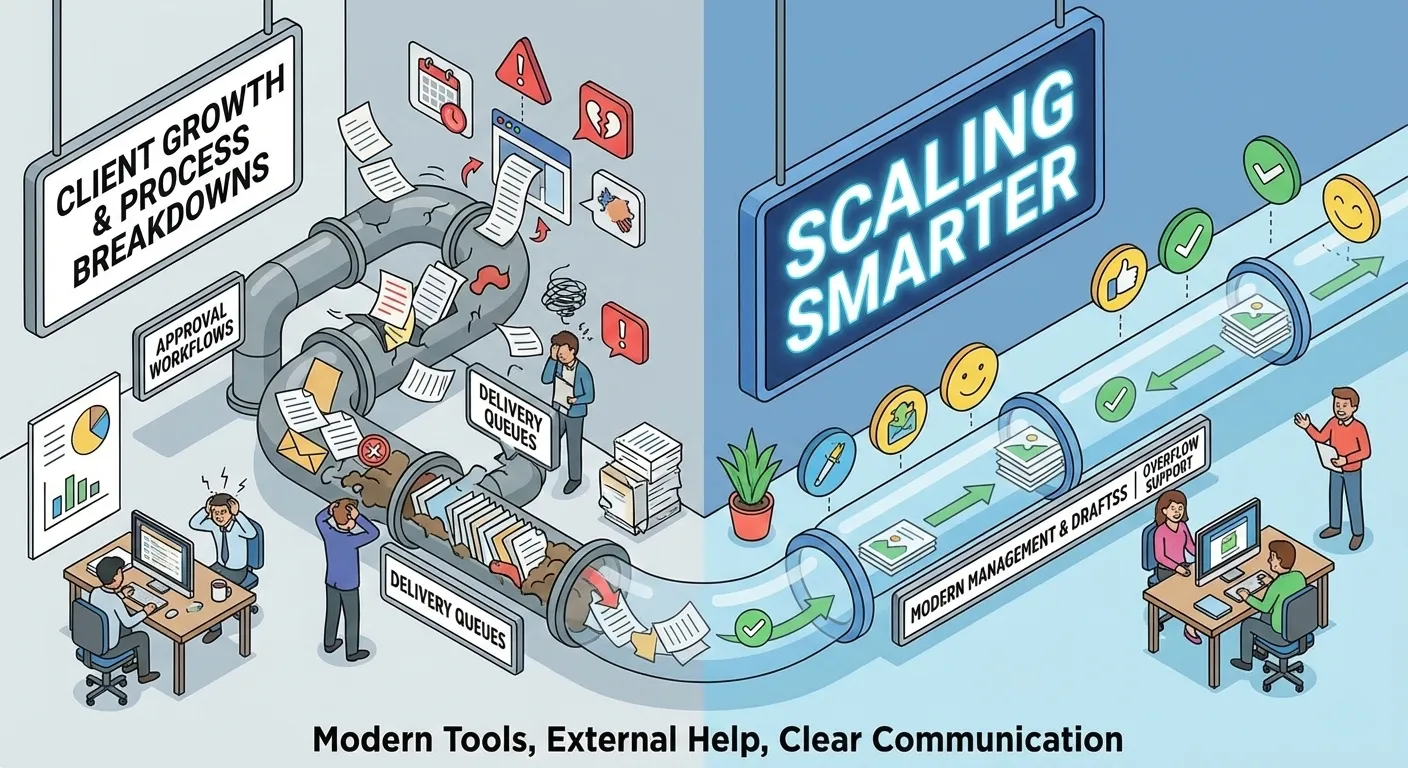
Bottlenecks can be a sneaky roadblock in agency workflows, often stemming from unclear project scopes. When the project scope isn’t well-defined, confusion can creep in, leading to delays that frustrate both teams and clients. Frequent client changes can further disrupt the flow, creating a ripple effect that stalls progress and increases the workload. Additionally, without proper resource allocation, teams may find themselves overloaded while others are underutilized, which hampers productivity. Slow decision-making processes can also stall projects, elongating timelines and testing patience. Communication breakdowns among team members can lead to misunderstandings, causing errors that require rework and wasting precious time. Over-reliance on specific team members can create single points of failure, putting projects at risk. Insufficient project tracking can result in missed deadlines and unaccounted hours, while underestimating task durations leads to unrealistic deadlines that put pressure on everyone involved. Failing to address recurring issues only perpetuates these bottlenecks over time. Finally, not leveraging data for performance insights can prevent agencies from making proactive adjustments to their workflows. Identifying and understanding these bottlenecks is crucial for agencies looking to streamline their operations and drastically reduce turnaround times.
Identifying Common Workflow Issues
Identifying workflow issues is crucial for agencies striving to reduce turnaround times. Misalignment of team roles can lead to overlapping tasks, wasting effort and causing frustration. When processes are poorly defined, confusion sets in, leaving team members unsure of their next steps. This can be especially problematic for new hires; inadequate onboarding can slow down project initiation and hinder overall productivity. Additionally, a lack of resource visibility prevents teams from knowing who is available for tasks, which can stall progress.
Inefficient use of existing tools often results in poor task management and communication gaps, further complicating workflows. Not prioritizing tasks creates chaos, leading to missed deadlines and overwhelmed employees. Failing to document processes leaves knowledge gaps when team members leave, creating additional hurdles for the remaining staff. Ignoring team feedback can breed unresolved issues that impact morale and productivity. Finally, inefficient meeting practices can consume valuable time without yielding results, exacerbating workflow inefficiencies. Recognizing and addressing these issues is vital for agencies aiming to enhance efficiency and client satisfaction.
- Misalignment of team roles can lead to overlap and wasted effort.
- Poorly defined processes can create confusion, making it hard for teams to know their next steps.
- Inadequate onboarding for new team members can slow down project initiation.
- Lack of resource visibility can prevent teams from knowing who is available for tasks.
- Ineffective use of existing tools can result in poor task management and communication.
- Not prioritizing tasks can lead to a chaotic work environment with missed deadlines.
- Failure to document processes can create knowledge gaps when team members leave.
- Ignoring team feedback can result in unresolved issues that affect morale and productivity.
Strategies to Implement Capacity-First Workflows
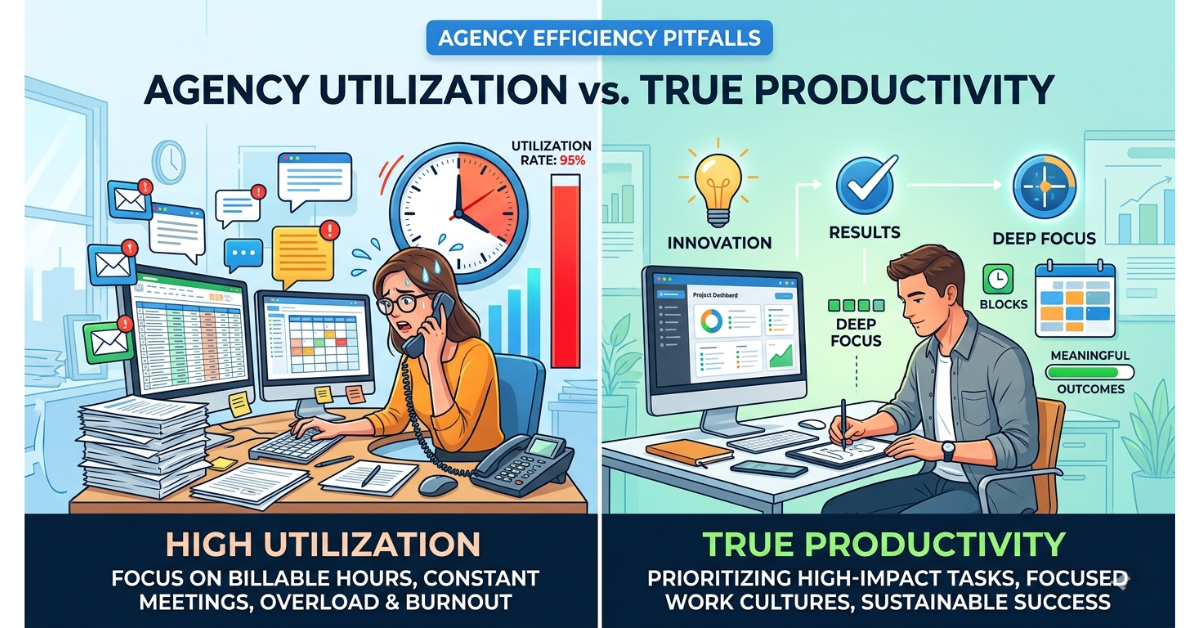
To enhance turnaround times, agencies must prioritize capacity-first workflows that align team capabilities with project demands. Start by regularly assessing team capacity to ensure workloads match available resources. This helps in identifying stress points before they escalate. Encourage open communication among team members about their current workload and stress levels, creating a supportive environment where asking for help is welcomed, not feared.
Utilizing capacity planning tools is essential; these tools visualize workload distribution, making it easier to spot any imbalances. Implement a flexible task assignment system that allows for quick reallocation of tasks, ensuring that no team member is overwhelmed while others are underutilized. Training managers to recognize signs of burnout is vital; they should adjust workloads promptly to maintain team morale and productivity.
Set realistic deadlines based on actual team capacity rather than ideal scenarios. This approach helps in managing client expectations effectively. Additionally, encourage teams to take breaks to rejuvenate their creativity and maintain productivity levels. Learning from past projects by analyzing data can provide valuable insights for future workload estimates, helping teams to plan better.
Finally, commit to regularly reviewing and adjusting workflows to stay in sync with team capacity and project demands. By implementing these strategies, agencies can create an efficient work environment that significantly reduces turnaround times.
Setting Clear Expectations with Clients
Setting clear expectations with clients is a game-changer for agencies looking to cut down turnaround times. One effective strategy is to develop a standard revision process that all clients understand from the get-go. By sharing a project timeline, agencies align on deadlines and milestones, keeping everyone on the same page. Early communication about potential roadblocks helps manage client expectations, ensuring they know what to anticipate. Encouraging clients to provide all necessary materials and feedback upfront can significantly reduce delays in the process.
Establishing a clear point of contact for client communications streamlines the workflow, minimizing confusion and miscommunication. Utilizing project management software allows clients to have visibility into the project’s progress, which not only keeps them informed but also fosters trust. Setting boundaries on the number of revisions included in the project scope helps prevent scope creep, making the process more efficient.
Sharing case studies or examples of past work clarifies what clients can expect, aligning their vision with what is realistically achievable. Regular check-ins to discuss progress ensure that both teams are on track and can adjust expectations as needed. Educating clients on the impact of quick changes on timelines and resources fosters understanding and encourages a collaborative approach, ultimately paving the way for smoother project execution.
Utilizing Project Management Tools Effectively
Choosing the right project management tools is crucial for agencies aiming to reduce turnaround times. It’s important to select tools that align with your team’s specific needs and workflow. Once you have the right tools in place, ensure that everyone is trained to use them effectively. This not only maximizes the tools’ capabilities but also fosters a culture of efficiency.
Breaking tasks into manageable chunks can provide clarity and make it easier for team members to see their responsibilities. Implementing a centralized dashboard allows everyone to track project progress and deadlines at a glance, reducing confusion and keeping everyone on the same page. Encouraging real-time updates within the tool keeps everyone informed, allowing for quicker adjustments when needed.
Integrating tools can also streamline workflows and eliminate the need for manual data entry, which can be a huge time sink. For recurring projects, creating templates can save significant time on setup and planning. Additionally, fostering an environment where team members share tips and best practices for tool usage can enhance overall productivity.
Regularly reviewing the effectiveness of your tools is essential. As team dynamics and project scopes change, it’s important to ensure that the tools are still meeting current needs. Incorporating feedback from team members can help refine tool usage and processes, ultimately leading to a more agile and responsive agency.
Automating Repetitive Tasks for Efficiency
Agencies can significantly boost efficiency by automating repetitive tasks that consume valuable time. Identifying these time-sucking activities is the first step; tasks like reporting and data entry are prime candidates. By researching automation tools that seamlessly integrate with existing workflows, agencies can streamline operations and enhance productivity. Setting up automated reminders and notifications for key project milestones ensures that nothing slips through the cracks. Furthermore, using templates for routine emails and communications can save precious minutes that add up over time.
Collecting client feedback can also be automated, allowing for quicker revisions and approvals without the usual back-and-forth delays. Adding tools to automate invoice generation and billing processes helps avoid manual errors and speeds up payment cycles. Regular reviews of these automated processes are essential to ensure they remain effective and continue to serve the team’s needs.
Training team members to leverage these automation tools empowers them to work more efficiently, fostering a culture of innovation where everyone is encouraged to suggest additional tasks for automation. By monitoring the impact of these changes on turnaround times, agencies can validate the effectiveness of their automation efforts and make necessary adjustments to maximize results.
Cross-Training Team Members for Flexibility
Cross-training team members is an exciting strategy that can transform the way agencies operate. By developing a cross-training program, agencies encourage skill-sharing, allowing team members to learn from each other in key areas. For example, a designer could learn basic coding skills from a developer, enhancing collaboration and reducing project delays. Rotating team members through different roles not only builds a more versatile workforce but also keeps morale high, as employees feel empowered and engaged in their work.
Creating a knowledge-sharing platform is another vital step. This platform allows team members to document processes, share tips, and provide resources that others can easily access. It fosters a culture of learning and continuous improvement. Encouraging participation in workshops and training sessions enhances this environment, making skill development a shared responsibility.
An open environment where team members feel comfortable asking for help or guidance is crucial. Utilizing shadowing opportunities can also help team members learn new skills effectively. Recognizing and rewarding those who actively participate in cross-training initiatives boosts motivation and reinforces the importance of this practice. Regularly assessing team skills helps identify gaps and opportunities for further training, ensuring that everyone stays sharp and capable.
Moreover, encouraging collaboration on projects not only fosters teamwork but also promotes skill development across the board. When team members work together, they share insights and techniques that can lead to innovation and efficiency. Overall, cross-training is a dynamic approach that empowers teams, enhances flexibility, and ultimately contributes to reducing turnaround times.
Establishing Feedback Loops for Continuous Improvement
Creating structured feedback sessions after project completion is essential for gathering valuable insights. These sessions allow team members to share their experiences and suggestions openly, fostering a culture where feedback is not only welcomed but expected. Utilizing surveys can further assess team satisfaction, helping to pinpoint specific areas for improvement. It’s crucial to implement regular check-ins to discuss workloads and identify potential bottlenecks before they escalate.
Documenting feedback in a central location ensures that insights are easily accessible for future reference and analysis. This practice enables teams to recognize and address recurring issues, preventing them from becoming systemic problems that hinder efficiency. Encouraging a culture of continuous improvement means valuing feedback and acting upon it swiftly, using client feedback to refine processes and enhance service delivery.
Setting measurable goals for improvement based on the feedback received can motivate teams and provide clear targets to aim for. Moreover, regularly reviewing and updating processes based on feedback and new insights keeps the agency agile and responsive to changing demands, ultimately driving down turnaround times.
Hiring Strategically to Fill Gaps
To truly reduce turnaround time, agencies must hire strategically. This begins with a clear understanding of the skills and roles needed within the team. Identifying these gaps allows agencies to create a talent pipeline, ensuring they have quick access to qualified candidates whenever the need arises. Streamlining the recruitment process is essential; agencies can reduce time-to-hire for critical positions, enabling them to respond swiftly to client demands. Utilizing referrals from existing employees can also expedite the search for potential candidates, as trusted team members often know individuals who will fit seamlessly into the culture.
Investing in employer branding is key to attracting top talent. When agencies present themselves as desirable workplaces, they naturally draw in candidates who align with their values and mission. Regular reviews of team skills help to forecast hiring needs, allowing agencies to proactively address gaps before they become bottlenecks. Furthermore, leveraging freelance talent for temporary roles can be a game-changer during peak periods, providing the flexibility needed to manage workload fluctuations without permanent commitments.
Data analytics can assess the effectiveness of hiring strategies, ensuring that agencies are making informed decisions. Once new hires are on board, creating a positive onboarding experience helps retain talent from the start, allowing them to integrate quickly and effectively. Encouraging current employees to share their networks can also unveil hidden gems in the job market, tapping into connections that may lead to top-tier candidates.
How Draftss Helps Reduce Turnaround Time
Draftss is a game-changer for agencies looking to boost their efficiency and speed. With a variety of design and development services, it enables agencies to scale their operations seamlessly. Turnaround times are impressively quick, typically ranging from 24 to 48 hours, which allows agencies to handle overflow work without breaking a sweat. The flexibility of subscription plans means agencies can select options that fit their needs perfectly, all without the burden of long-term commitments.
Collaboration becomes effortless with Draftss, thanks to its integration with popular tools like Slack and Trello, ensuring that teams can communicate and manage projects smoothly. Plus, the absence of long-term contracts empowers agencies to adjust their resources based on project demands, keeping operations agile and responsive.
Another significant advantage is the full copyright ownership that Draftss provides. Agencies can rest easy knowing they retain all rights to the designs produced, which adds immense value to their offerings. The white-labeling capabilities allow agencies to present these designs as their own, enhancing their brand presence without incurring extra costs.
With a seven-day free trial, agencies can experience the benefits risk-free, testing how Draftss can adapt to various project scopes, from simple tasks to complex designs. By utilizing Draftss, agencies can free up internal resources, allowing teams to focus on high-priority projects while still delivering exceptional results to clients.
| Feature | Description | |||
| Access to Additional Resources | On-demand design, UI/UX, and development support to scale output without full-time hires. | |||
| Fast Turnaround Times | Design tasks typically completed within 24 to 48 hours. | |||
| Flexible Subscription Options | Budget-friendly pricing starting at approximately $440 per month, with a 7-day free trial . | |||
| Streamlined Communication | Integration with tools like Slack and Trello for smooth collaboration. | |||
| No Long-Term Contracts | Cancellation anytime allows for resource adjustments. | |||
| Full Copyright Ownership | Agencies retain rights to designs for flexible use. | |||
| White-Labeling Capabilities | Offer design services under the agency’s brand without additional overhead. |
Advantages of Using Draftss as a Production Layer
Using Draftss as a production layer offers agencies a wealth of advantages that can dramatically enhance their efficiency. First and foremost, agencies gain immediate access to a broad range of design and development talent on demand, eliminating the stress of juggling multiple projects with limited resources. This on-demand talent allows agencies to scale their solutions effortlessly, adapting to fluctuating project demands without the long-term commitment of hiring permanent staff.
Quick turnaround times are another key benefit. Draftss typically delivers design tasks within 24 to 48 hours, ensuring agencies can meet deadlines without the usual last-minute rush. This rapid pace helps maintain client satisfaction and keeps teams focused and motivated. The flexible pricing options make quality design accessible for agencies of all sizes, allowing even smaller firms to compete effectively.
For those hesitant to commit, Draftss offers a risk-free 7-day trial, letting agencies evaluate the service quality and fit before diving in. Plus, there are no long-term contracts, providing the freedom to adjust service usage based on actual project needs. Agencies retain full copyright ownership of all designs produced, so they can use the work freely without legal worries.
The white-labeling capabilities of Draftss also allow agencies to present the work as their own, boosting brand value and expanding service offerings. Integration with popular project management tools like Trello and Slack ensures seamless communication and collaboration, making it easier to keep projects on track. With a dedicated support team ready to assist with any questions or issues, the experience is smooth and hassle-free. This combination of benefits positions Draftss as an invaluable partner for agencies looking to reduce turnaround time and enhance their overall service delivery.
Ensuring Smooth Communication with Draftss
Effective communication is the backbone of any successful project, especially when working with design agencies like Draftss. By establishing clear channels of communication right from the start, agencies can significantly reduce misunderstandings and misaligned expectations. Regular updates on project statuses keep all stakeholders informed, ensuring everyone remains engaged throughout the process. This proactive approach not only enhances collaboration but also helps in addressing potential issues before they escalate.
Draftss utilizes structured feedback processes that make it easy for agencies to articulate revision requests. This clarity ensures that changes are understood and implemented accurately, saving time and effort on both sides. The collaboration tools provided by Draftss facilitate real-time communication and file sharing, boosting workflow efficiency. Each agency is assigned a designated point of contact within Draftss, making it easy to get prompt responses to any queries or concerns.
Encouraging open dialogue between agency teams and Draftss designers fosters a creative environment where ideas can flourish. Regular feedback loops are built into the process, allowing for continuous adjustments based on agency needs and client feedback. Transparency is key, and sharing timelines upfront helps manage expectations, keeping projects on track and preventing delays.
Documentation of design specifications and requirements is another essential element in avoiding scope creep, ensuring that teams maintain focus on their goals. After project completion, agencies can participate in post-project debriefs to reflect on what worked well and what could be improved, providing valuable insights for future collaborations. This comprehensive approach to communication and feedback not only streamlines the design process but also contributes significantly to reduced turnaround times.
Exploring Budget-Friendly Options with Draftss
Draftss offers flexible subscription plans starting at about $440 per month, making it easy for agencies to find a fit for their budget. With a no-commitment 7-day free trial, agencies can explore the services without any financial pressure, which helps in making informed decisions. This approach provides cost-effective solutions that deliver high-quality design without the hefty overhead associated with hiring full-time staff. Agencies can scale resources based on project demands, ensuring they only pay for what they need. The transparent pricing structure, with no hidden fees, simplifies budgeting and allows for better financial planning. By accessing a wide array of services, including graphic design, UI/UX design, and web development, all in one place, agencies can save significantly on hiring costs, benefits, and training typically tied to permanent employees. This not only enhances profit margins by outsourcing design tasks but also enables agencies to concentrate their internal resources on strategy and client relations. Additionally, regular promotions or discounts make Draftss even more accessible, particularly for smaller agencies, providing them with the financial flexibility to invest in other critical business areas while maintaining high-quality design output.
Retaining Copyright Ownership with Draftss
Agencies that utilize Draftss gain full ownership of all designs created, providing them with the freedom to use, modify, or sell these assets as they see fit. This ownership not only protects agencies from potential legal disputes over design rights, issues that can easily arise when collaborating with other freelancers or agencies, but also fosters transparency through clear terms of service that outline copyright ownership. With this clarity, agencies can build proprietary portfolios without the anxiety of third parties reusing their designs.
Retaining copyright empowers agencies to cultivate long-term client relationships by offering unique, branded designs without limitations. This freedom encourages creativity and innovation, as team members know their original ideas and designs will directly benefit the agency. Agencies can pivot their design approaches confidently, free from the fear of infringing on rights or licenses held by others. Furthermore, this ownership allows agencies to showcase their work with pride, enhancing their professional credibility. It supports their brand identity by enabling consistent use of designed materials across various projects, providing a competitive edge in the market. With distinctive visual assets at their disposal, agencies can stand out and captivate clients, making their offerings more compelling.
Leveraging White-Labeling Capabilities for Agencies

White-labeling is a game-changer for agencies looking to enhance their service offerings without the burden of hiring more staff. By partnering with a service like Draftss, agencies can expand their capabilities, delivering a wider array of services that meet the evolving needs of clients. This not only strengthens the agency’s brand identity, allowing them to present third-party work under their own name, but also boosts the perceived value of their offerings, making them more attractive in a competitive market.
Integrating Draftss services into existing workflows is seamless, creating an impression that these additional capabilities are a natural extension of the agency. This flexibility allows agencies to respond quickly to new client demands or market trends without missing a beat. For example, during peak project times, agencies can take on more work and still maintain high-quality outputs, keeping client satisfaction levels high.
Furthermore, white-labeling alleviates pressure on internal teams, letting them focus on strategy and building client relationships rather than getting bogged down in design execution. This approach not only increases productivity but also enhances the agency’s marketing efforts, enabling them to promote a broader range of services to potential clients. With access to a dedicated team of designers and developers working behind the scenes, agencies can capitalize on expertise and efficiency, fostering long-term partnerships that help them grow and adapt to the ever-changing market landscape.
Frequently Asked Questions
How do agencies cut down project delivery times so much?
Agencies use smart tools and processes to speed up work, helping them finish projects faster without sacrificing quality.
What role does technology play in speeding up agency work?
Technology helps agencies automate tasks, improve communication, and track progress, which all contribute to reducing turnaround time significantly.
Can better teamwork really make projects go faster?
Absolutely! When team members collaborate effectively, share ideas, and stay in sync, it can streamline the workflow and cut down time spent on tasks.
How does clear communication affect turnaround times?
Clear communication helps to avoid misunderstandings and errors, meaning teams can move forward quickly and efficiently, speeding up overall project completion.
Are there specific strategies that agencies use to improve their efficiency?
Yes! Many agencies adopt strategies like prioritizing tasks, setting realistic deadlines, and using project management tools to enhance efficiency and reduce turnaround time.
TL;DR Agencies can significantly reduce turnaround times by 30–50% by addressing common bottlenecks and implementing effective operational strategies. Key steps include aligning workloads with team capacity, setting clear client expectations, utilizing project management tools, automating repetitive tasks, and fostering a culture of feedback and continuous improvement. Additionally, leveraging external partners like Draftss for overflow production can provide quick access to resources and maintain high-quality output, all while retaining copyright ownership and offering white-label solutions. By adopting these strategies, agencies can enhance efficiency and client satisfaction.